Water Damage Restoration Shakopee, MN
24/7 water damage restoration in Shakopee, MN. The restoration team pulls standing water out of basements and living spaces, dries the structure to the IICRC S500 standard and documents every reading for your insurance claim.
(888) 432-4933Sump pit overflowing? Start the dry-out now
Drying goal: within 2 to 4 points of a dry reference
Water Damage Restoration Services in Shakopee, MN
From emergency extraction to structural drying, for every street in ZIP 55379 and the river valley towns next door.
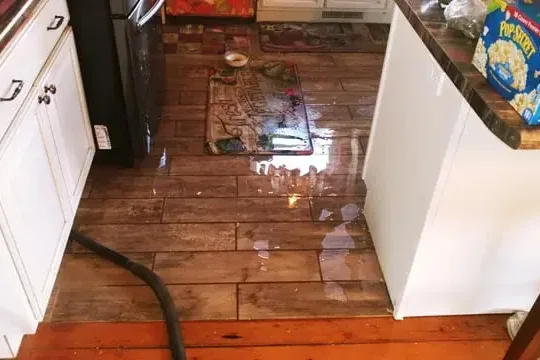 WD-01Water Extraction and RemovalTruck-mounted units and submersible pumps pull the water out before drying starts.See the service
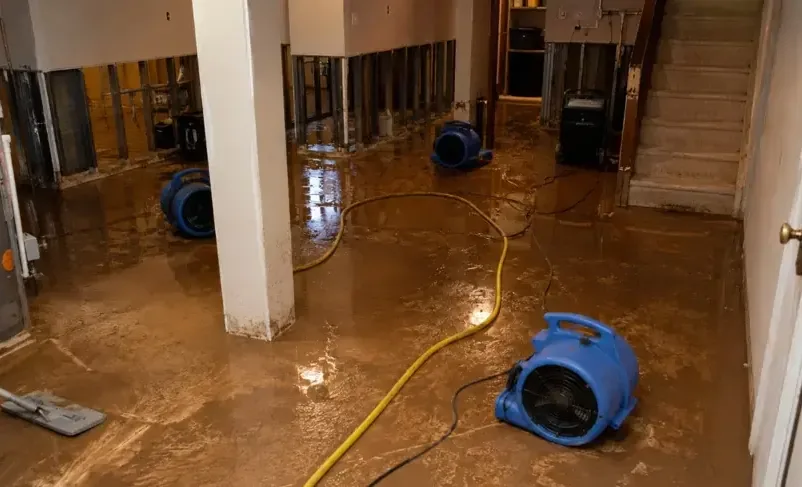 WD-02Basement Flooding CleanupCarpeted family rooms and finished lower levels pumped out, opened up and dried.See the service
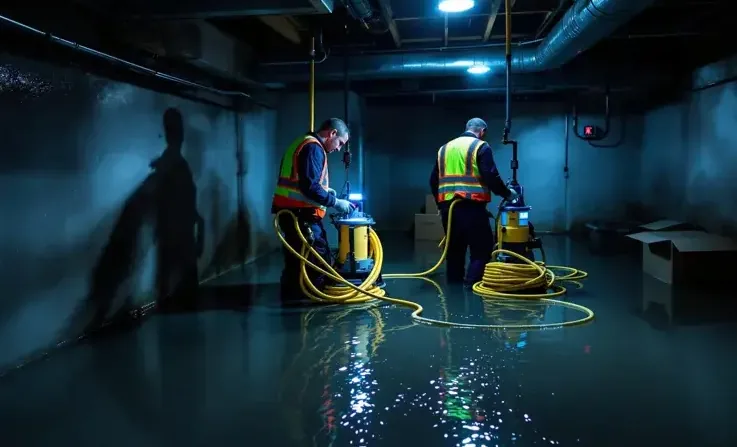 WD-03Sump Pump Failure CleanupPits that overflow in a thaw or an outage, extracted and dried behind the finishes.See the service
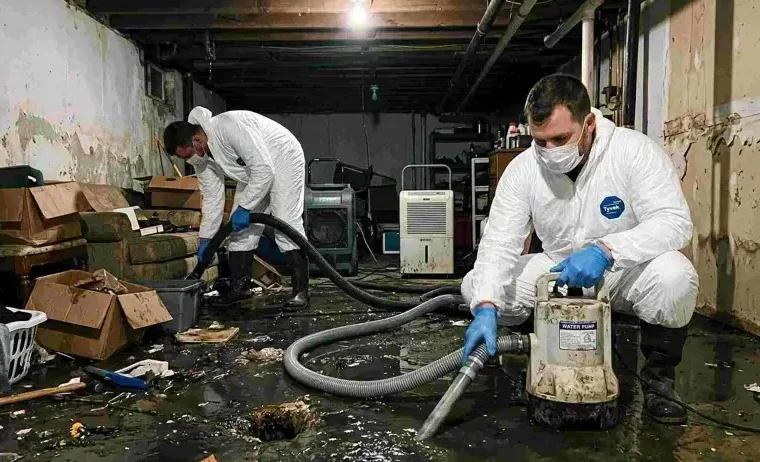 WD-04Sewage Backup CleanupFloor drain and basement toilet backups contained, removed, treated and dried.See the service
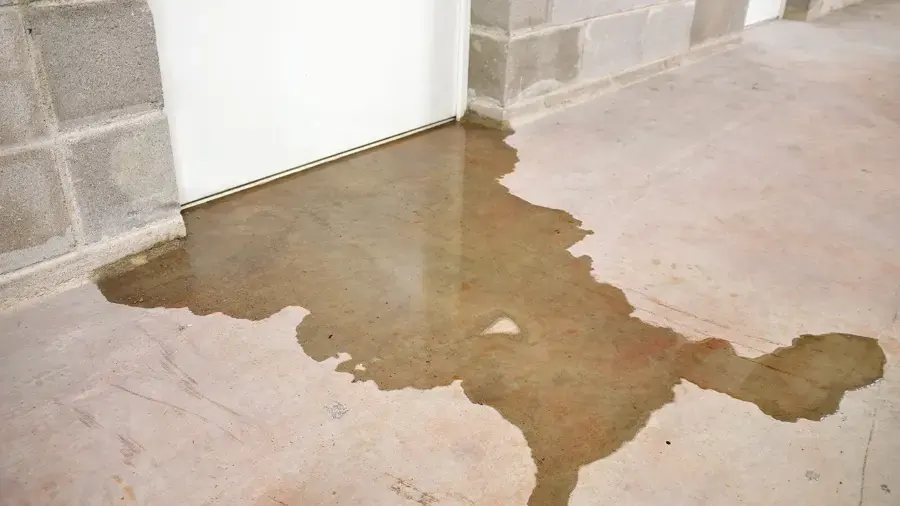 WD-05Snowmelt and Foundation SeepageSpring water through window wells and cove joints, found with meters and dried.See the service
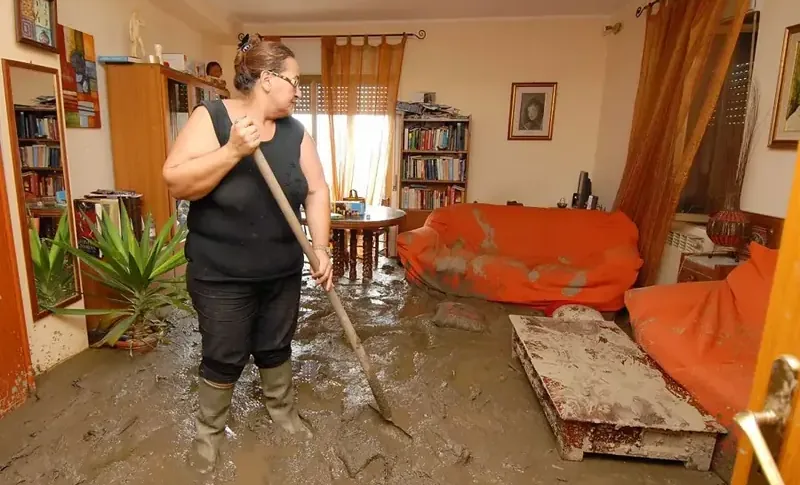 WD-06River and Flash Flood CleanupRiver high water and cloudburst runoff, handled as contaminated water from the start.See the service
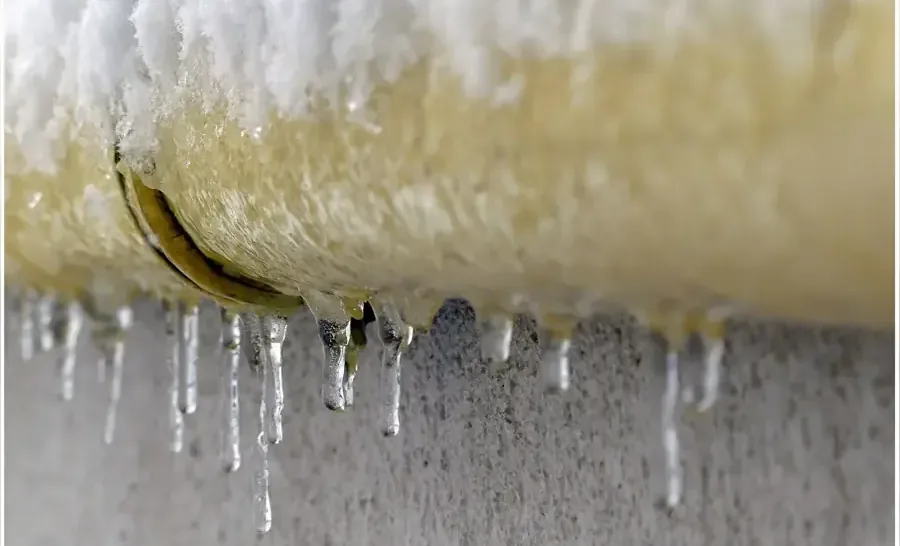 WD-07Frozen Pipe Water DamagePipes on outside walls, rim joists and garages that split in a deep freeze.See the service
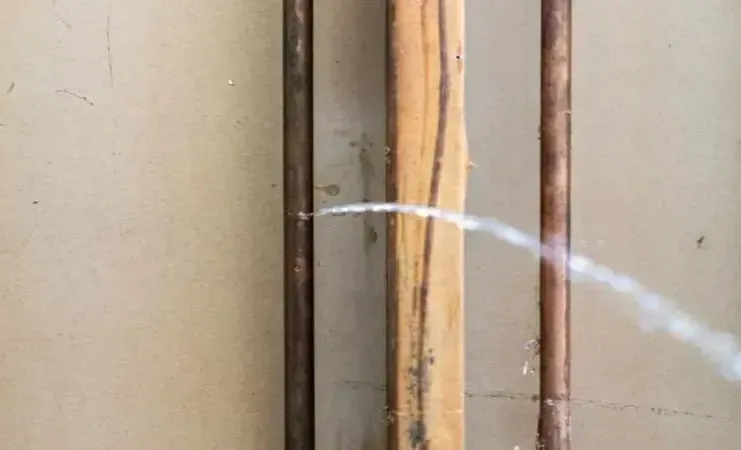 WD-08Burst Pipe Water DamageFailed fittings, valves and pinhole copper traced and dried inside the walls.See the service
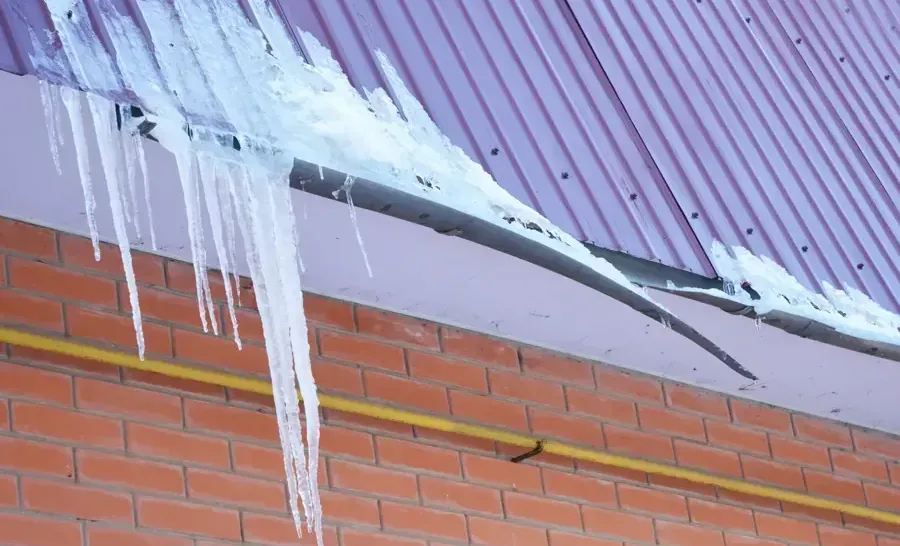 WD-09Ice Dam and Roof Leak Water DamageMeltwater under the shingles: wet attic insulation, top-floor ceilings and walls.See the service
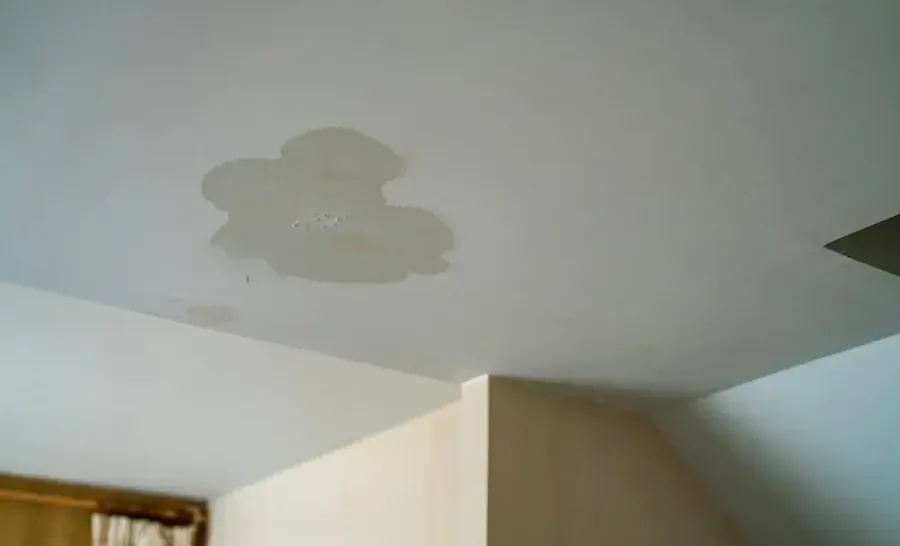 WD-10Ceiling Leak Water DamageUpstairs bath and supply leaks drained from the ceiling before the drywall sags.See the service
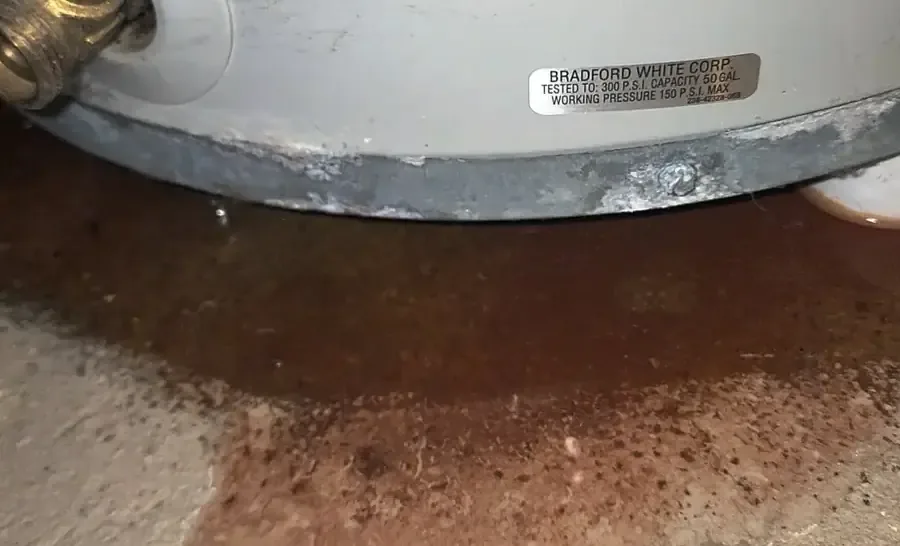 WD-11Water Heater Leak CleanupTank failures in the utility room caught before the carpet and storage soak.See the service
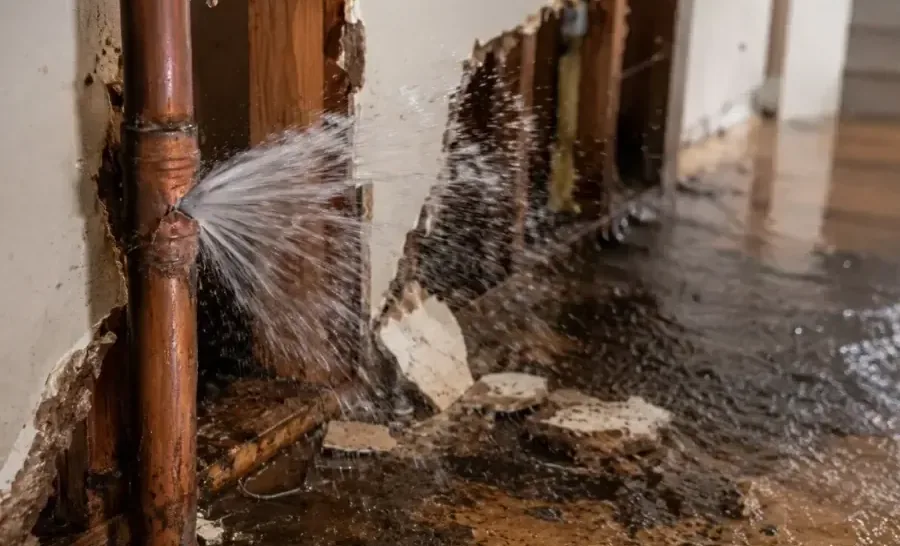 WD-12Appliance and Supply Hose LeaksWasher, dishwasher, ice maker and softener leaks dried under floors and cabinets.See the service
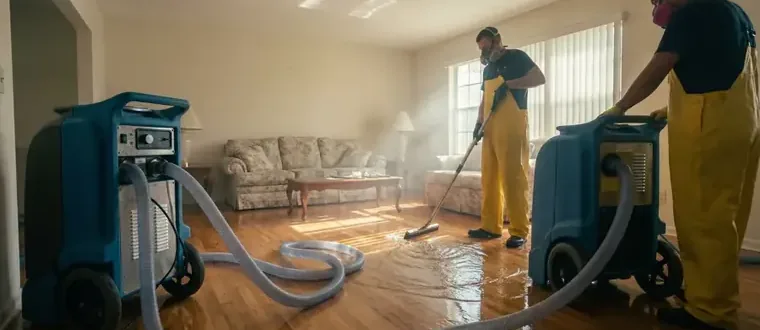 WD-13Structural Drying and DehumidificationFraming, subfloor, concrete and hardwood dried to the IICRC S500 goal.See the service
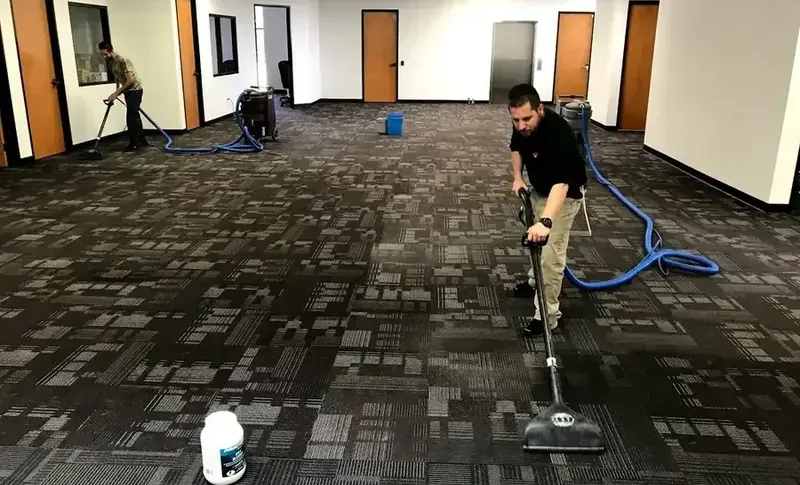 WD-14Commercial Water DamageWarehouses, offices, shops and apartments dried in phases.See the service
What to do while the water is still moving
Most water losses here start below grade, at the sump pit, the floor drain or a pipe in a finished lower level. The first minutes decide how much can be saved.
Flooded lower level
- Close the main shutoff if a pipe, the water heater or the softener is the source.
- Switch off lower-level circuits only if the panel sits in a dry spot.
- Photograph the high-water mark, then lift rugs, boxes and electronics off the floor.
Sewer or floor drain backup
- Stop running water upstairs: no flushing, showers, dishwasher or laundry.
- Keep kids and pets away. Drain backup water is Category 3 sewage.
- Do not mop or shop-vac it. Photograph it from the stairs, then call.
How a water loss is handled, start to finish
Rapid local response
Active water is treated as urgent at any hour, because a finished basement keeps soaking until the water is pulled.
IICRC S500 drying standard
The drying team works to the industry standard: structural drying, not just surface drying.
Claim-ready documentation
A moisture map, daily readings and timestamped photos go into the file for your insurer.
River valley water know-how
Sump pits, frozen pipes, ice dams and spring thaw seepage are routine work in this part of Scott County.
From the first pump-out to the final dry reading
- 01
Map it
Thermal imaging and pinless meters show how far the water traveled before any equipment goes down.
- 02
Pull the water
Truck-mounted extraction and submersible pumps send the water out of the house.
- 03
Set the drying
Air movers and LGR dehumidifiers are sized to each room's evaporation load.
- 04
Log readings
Moisture readings go into the drying log every day, and equipment moves to what is still wet.
- 05
Prove it dry
Equipment comes out at 2 to 4 points of a dry reference, with the logs ready for the claim.
Water damage pros for basements, pipes and roofs
Water damage restoration comes down to two jobs: get the water out fast, and dry the building, not just the surface. The restoration team extracts standing water, maps moisture inside walls and floors, dries the structure to the IICRC S500 standard and records every reading for the insurance file.
A 1990s split-level off Vierling Drive has a sump pit and a carpeted family room below grade. A newer two-story near Stonebrooke has a finished basement on drain tile, and an older home near downtown may sit on a stone foundation. The water damage restoration experts plan each dry-out around the building in front of them.
Inside a river valley dry-outWater damage dried to the IICRC S500 standard
| Drying standard | IICRC S500, the industry drying standard |
|---|---|
| Extraction | Truck-mounted units, plus submersible pumps for deep basement water |
| Readings | Moisture and psychrometric readings, logged every day |
| Drying goal | Within 2 to 4 points of a dry reference material |
| Contaminated water | Containment, HEPA air scrubbers and an EPA-registered antimicrobial |
| Cold basements | Added heat or desiccant dehumidifiers when LGR units slow down |
- Truck-mounted extraction sends the water out of the building.
- Air movers are matched to the evaporation load of each room.
- LGR dehumidifiers pull moisture; desiccants handle cold lower levels.
- Thermal imaging and pinless meters find water hiding behind finishes.
Documentation for your insurance claim
A water claim is decided on the file: a moisture map from the first visit, daily psychrometric logs, timestamped photos taken before any demolition, the category and class of the loss and an itemized scope.
A burst pipe is usually treated as sudden and accidental. Sump overflow and sewer backup often need an endorsement, and river or surface flooding falls under flood insurance. Coverage depends on your policy, so it is worth checking with your own insurer.
What does water damage restoration cost in Shakopee, MN?
In Shakopee, MN, water damage restoration typically runs $1,200 to $15,000 or more: a clean supply leak caught early sits at the low end, and a finished basement soaked by a sump failure or a sewage backup sits at the high end.
The drivers are the water category, the square footage that got wet, the material class (carpet and drywall versus hardwood, plaster and poured walls) and how fast drying started. For a planning number, try the water damage cost calculator.
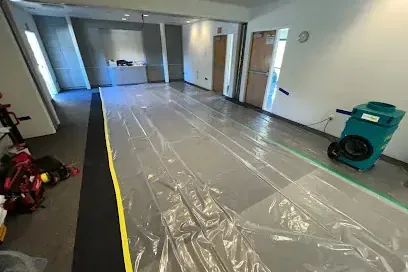
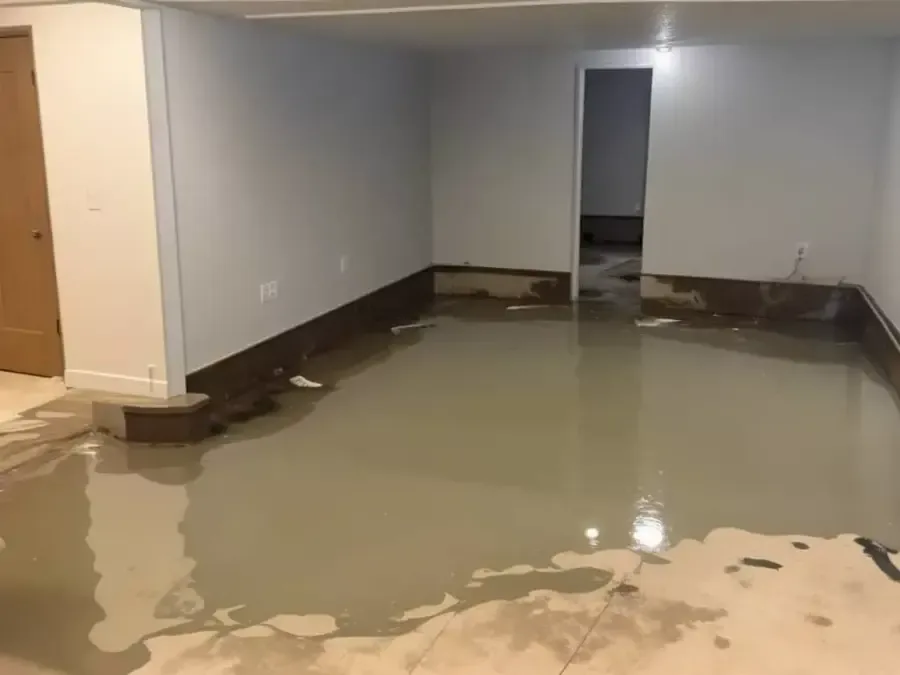
What a water damage dry-out looks like
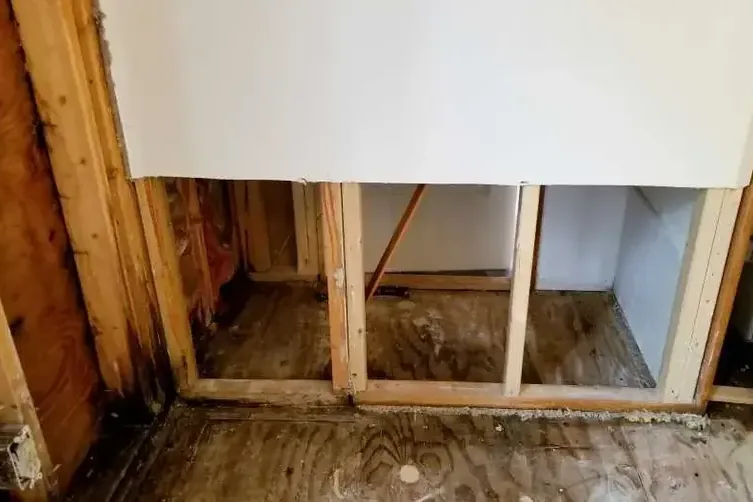
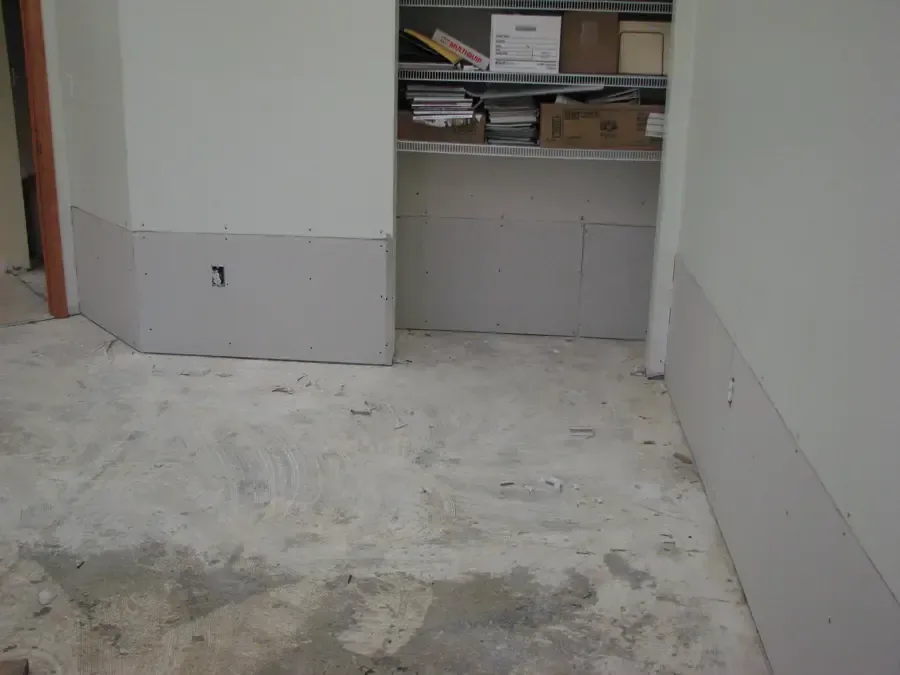
Representative photos of extraction and drying equipment at work, not photos of specific jobs.
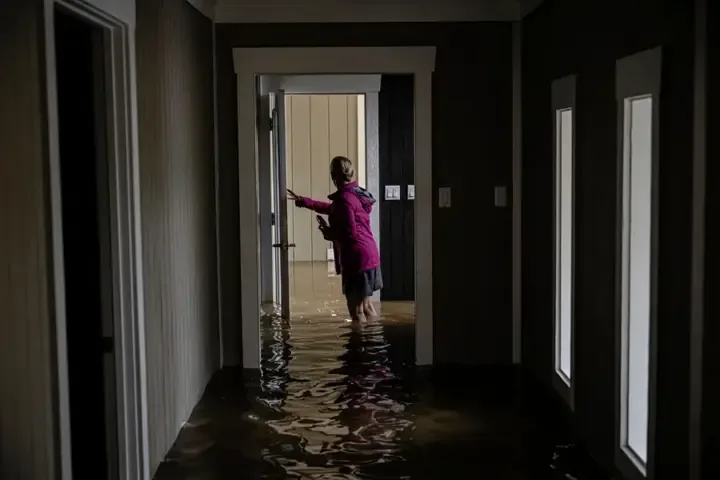
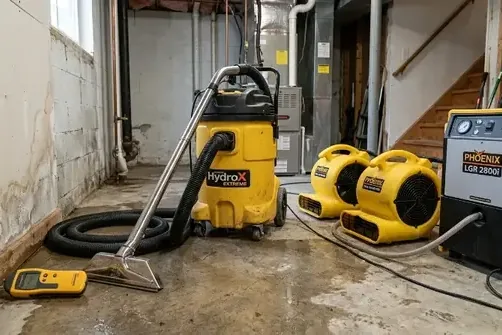
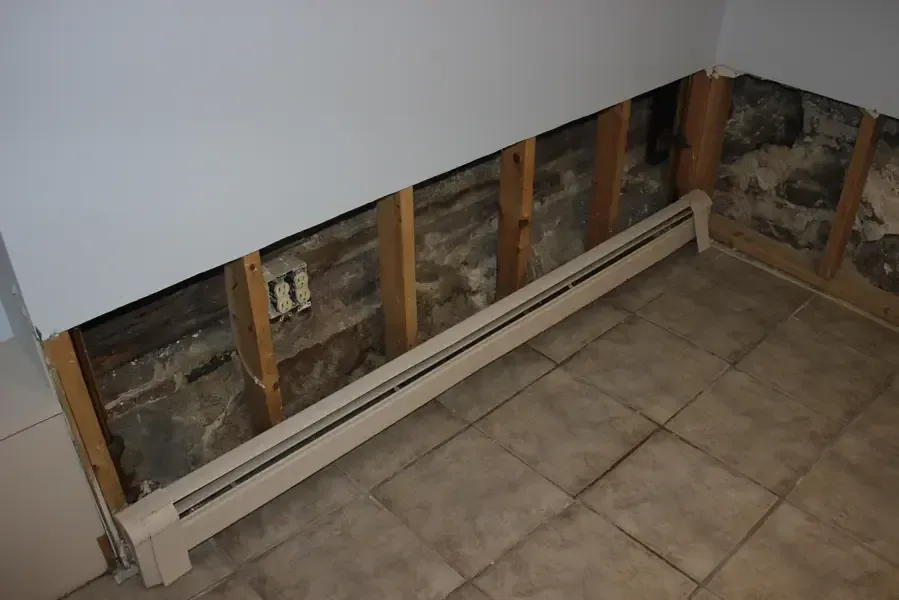
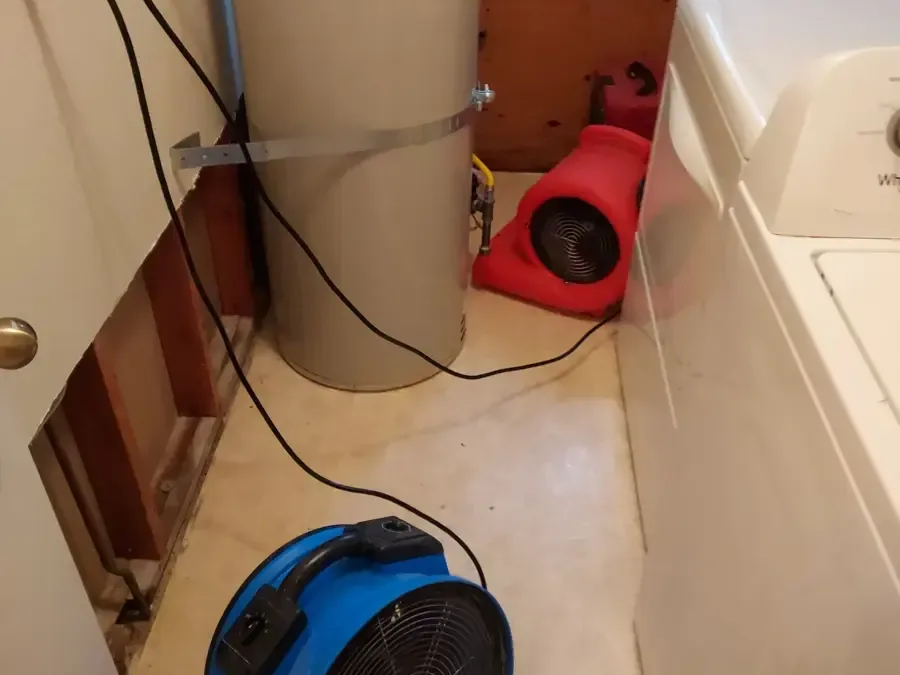
All water damage categories covered in Shakopee, MN
Category 1, clean water
Supply pipes, burst and frozen pipes, water heaters and softeners. Usually dried in place.
Burst pipe water damageCategory 2, gray water
Washers, dishwashers, sump pit overflow, or clean water that sat too long.
Sump pump failure cleanupCategory 3, black water
Sewage, floor drain backups, river and surface floodwater. Contained and removed.
Sewage backup cleanupFrom the river to the south side, 24/7
The restoration team covers all of ZIP 55379 and the Scott County and river valley towns on its edges.
From the First Avenue riverfront south past Vierling Drive to Stonebrooke and Quarry Lake, and east to Southbridge and Dean Lakes, the drying team works every neighborhood in the city.
Downtown and the riverfront
ZIP 55379
Central neighborhoods
ZIP 55379
South side
ZIP 55379
East side
ZIP 55379
Scott County neighbors
Nearby
Across the river
Nearby
One call reaches Shakopee water damage pros, 24/7
The restoration team works every street in ZIP 55379, from the downtown riverfront to Southbridge and Stonebrooke, plus Prior Lake, Savage, Chanhassen and Chaska.
Why Shakopee basements and pipes take on water
A river town with deep winters and a lot of finished lower levels: the risks here are specific.
- Newer homes on sump pits. Most of the housing went up from the 1990s on, with drain tile, a sump pit and a finished lower level, so a dead pump floods living space.
- Minnesota River floodplain. The river crested at record levels in April 1965 and ran high again in 2001 and 2014; the riverfront parks and low ground near downtown sit in its floodplain.
- Spring thaw and cloudbursts. Snowmelt and summer storms fill window wells and push water through cove joints and foundation cracks.
- January cold snaps. Subzero nights split pipes on outside walls, rim joists and garages, and build ice dams along the eaves.
- Older homes near downtown. Some of the oldest houses sit on stone or block foundations that let water in at the joints.
Water damage questions from local homeowners
How fast does a restoration crew respond?
Restoration crews dispatch emergency water calls around the clock, weekends and holidays included, and active water is treated as urgent. The first call matters more than the first repair, because water keeps moving into drywall, pad and framing.
Why do so many basements here flood in spring?
Most homes built since the 1990s drain their footing tile to a sump pit. When snowmelt and spring rain saturate the ground, the pump runs constantly, and a worn pump, a power cut or a frozen discharge pipe lets the pit overflow into the finished lower level.
Is water damage covered by insurance in Minnesota?
Sudden water such as a burst pipe is often covered after the deductible. Sump overflow and sewer backup usually need an endorsement, and river or surface flooding needs a flood policy. Coverage depends on your policy, so it is worth checking with your own insurer.
How long does it take to dry a house after water damage?
A contained Class 1 or 2 loss usually dries in three to five days. Poured walls, plaster and hardwood take longer, cold basements slow evaporation, and equipment stays until the readings reach the drying goal.
What is IICRC S500?
IICRC S500 is the industry standard for water damage restoration: how a loss is classified, how drying is planned and monitored, and how dry is verified.
What should I do in the first few minutes?
Close the main shutoff, switch off breakers for wet areas only if the panel is dry, stay out of water near outlets, photograph everything, lift rugs and valuables, and then call.
Why is a floor drain backup handled differently?
Drain backup water has been in the sewer, so it is Category 3 from the start. Porous materials it touched, such as carpet, pad and the lower drywall, are removed, not dried, and hard surfaces get an EPA-registered antimicrobial.
Can a frozen pipe leak be dried without opening walls?
Sometimes. When thermal imaging and meters show the water stayed in one cavity, small access holes and directed air can dry it in place; insulation soaked behind drywall on an outside wall usually has to come out.
What is the difference between mitigation and repair?
Mitigation stops the damage: extraction, removal of what cannot be saved and drying. Repair puts the house back together afterward, and insurers usually treat the two as separate parts of the claim.
How is the cost of water damage restoration worked out?
By the water category, the square footage that got wet, the material class and how fast drying started. Each one shows up in the itemized scope that goes to your insurer.
Water spreading through the house? Call now.
Extraction, structural drying and claim documentation, from the river to the south side.