Water Damage Restoration Victoria, MN
Standing water, wet basements and sewage backups bring a trained drying crew to Victoria properties around the clock. Extraction starts first, then framing, subfloor and wall bottoms are dried to measured targets.
(888) 432-4933Reach the Carver County drying crew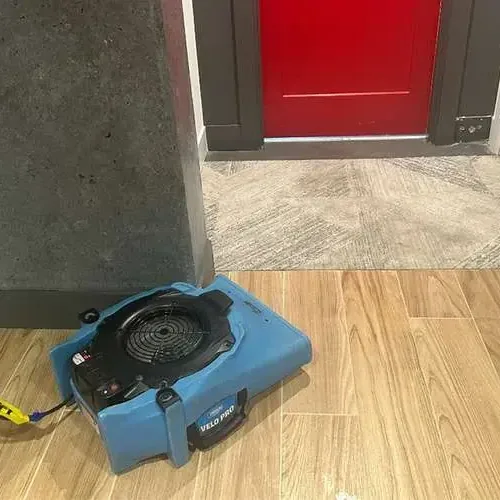
Water and sewage losses only, each one documented for the insurance claim.
Water damage services in Victoria, MN
Fourteen service types cover the leaks, floods and sewer problems that reach lake-area homes, apartments and local offices.
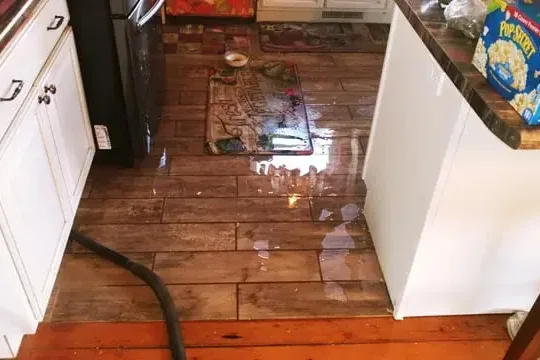 WD-01Water Extraction and RemovalPumps and truck-mounted units pull standing water out before it soaks the subfloor.See the service
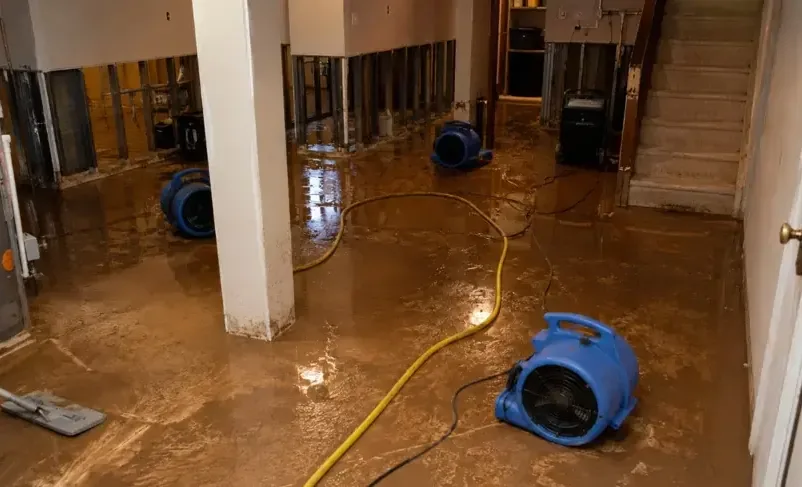 WD-02Basement Flooding CleanupPump-outs, wet drywall removal and drying for lake-area basements after heavy rain.See the service
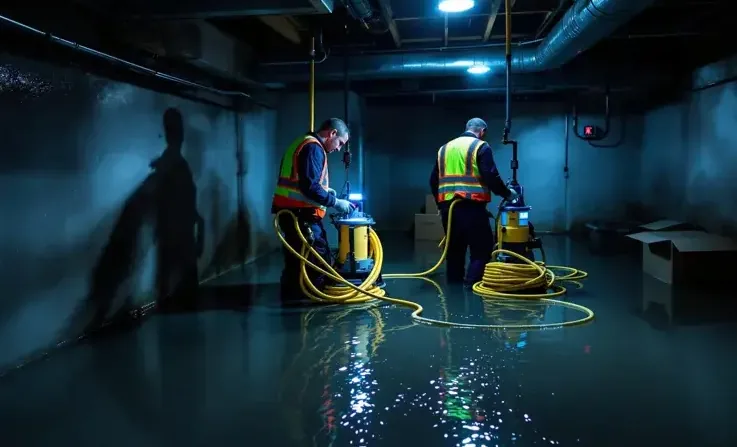 WD-03Sump Pump Failure CleanupWhen a pit pump stalls, the crew clears the spread water and dries the slab.See the service
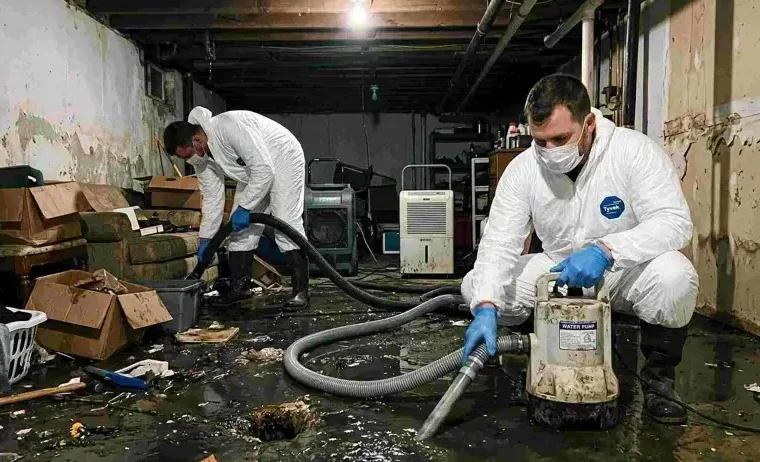 WD-04Sewage Backup CleanupSealed containment, removal and disinfection make backed-up rooms safe to rebuild.See the service
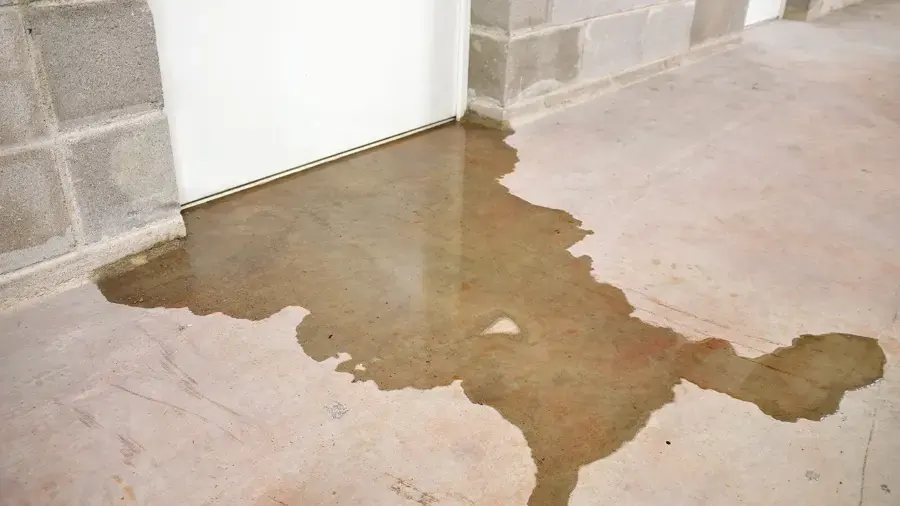 WD-05Snowmelt and Foundation SeepageThaw water creeping along foundation walls is mapped, extracted and dried before it spreads.See the service
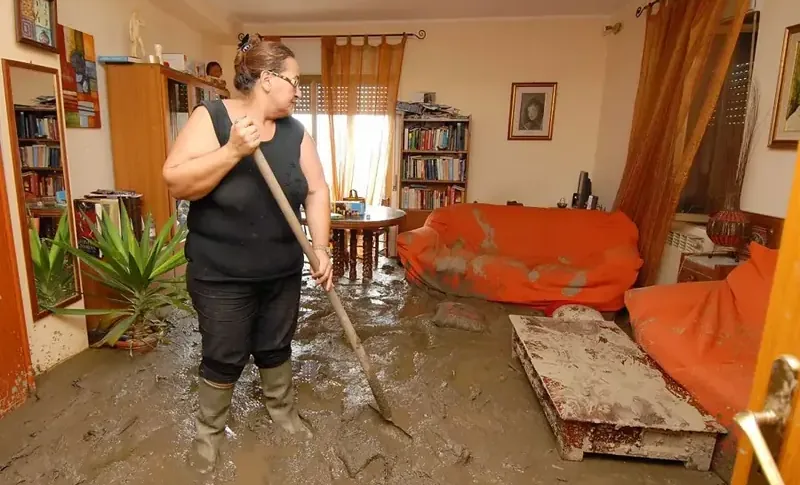 WD-06River and Flash Flood CleanupLake overflow and storm runoff count as contaminated, so removal goes deeper.See the service
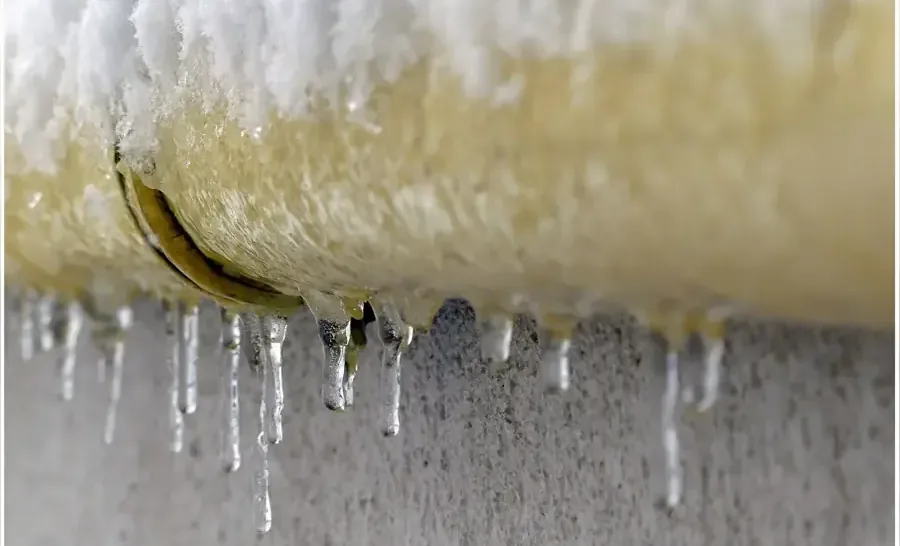 WD-07Frozen Pipe Water DamageA thawed pipe floods walls and ceilings fast, so the crew opens and dries them.See the service
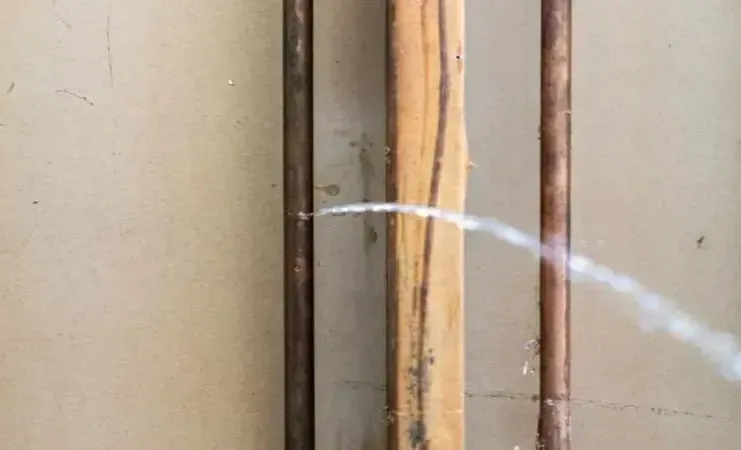 WD-08Burst Pipe Water DamageFailed supply pipes soak several rooms, so shutoff, extraction and drying move together.See the service
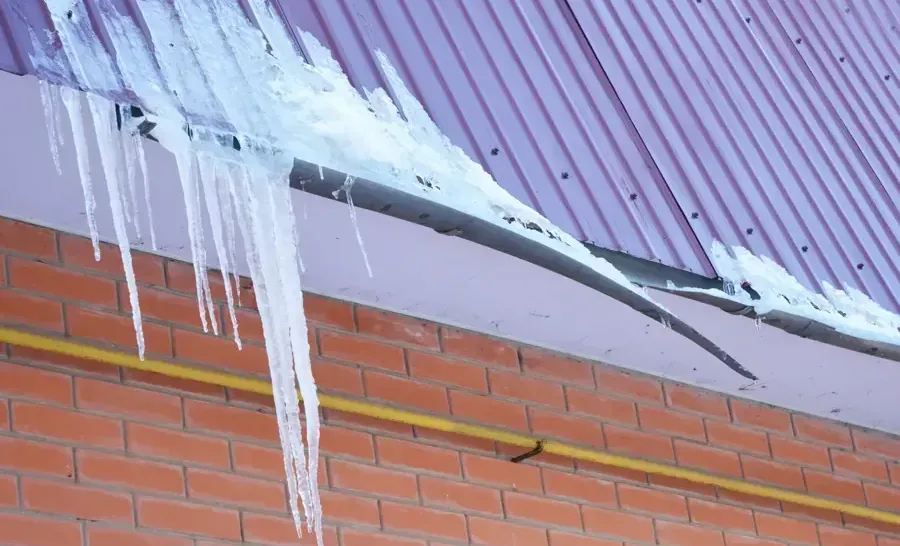 WD-09Ice Dam and Roof Leak Water DamageMeltwater backed up under shingles stains ceilings and soaks attic insulation.See the service
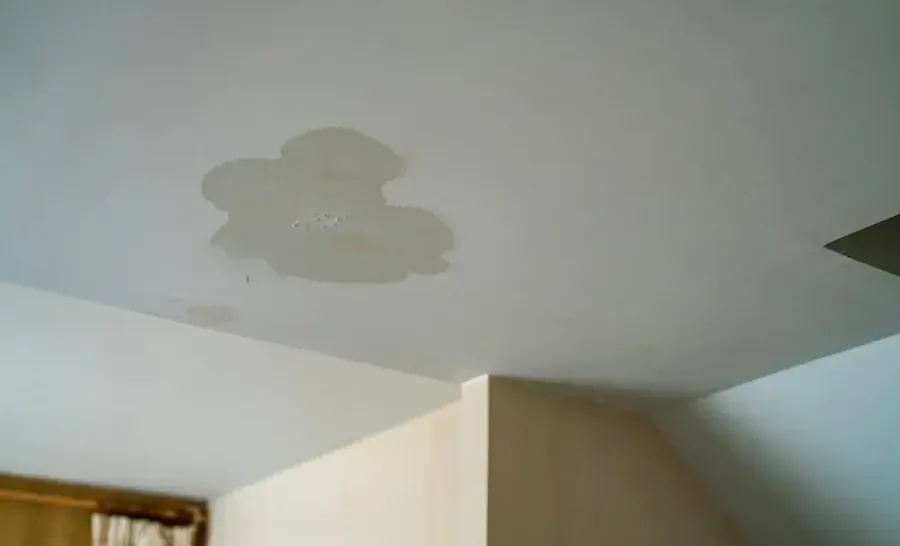 WD-10Ceiling Leak Water DamageWet ceilings are opened where needed and the drywall and joists dried above and below.See the service
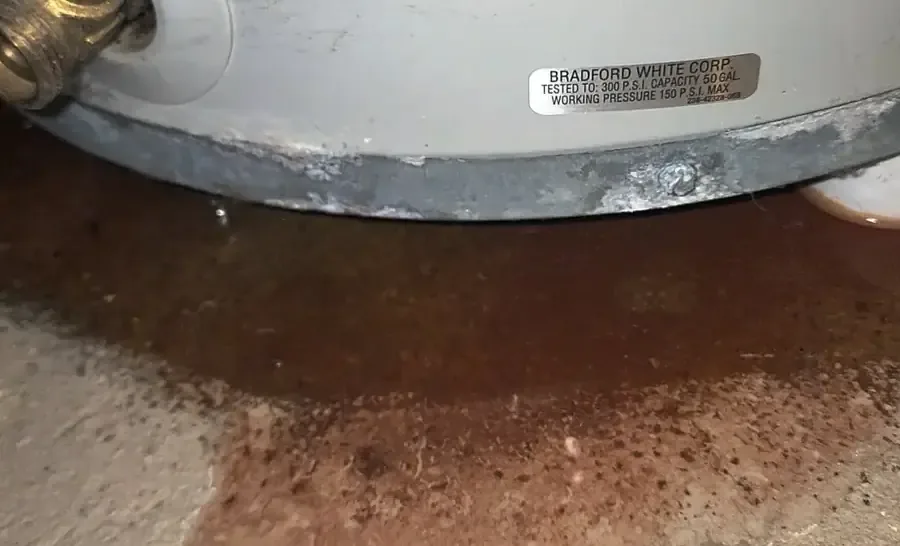 WD-11Water Heater Leak CleanupA split tank can flood a utility room and beyond, so extraction and drying follow.See the service
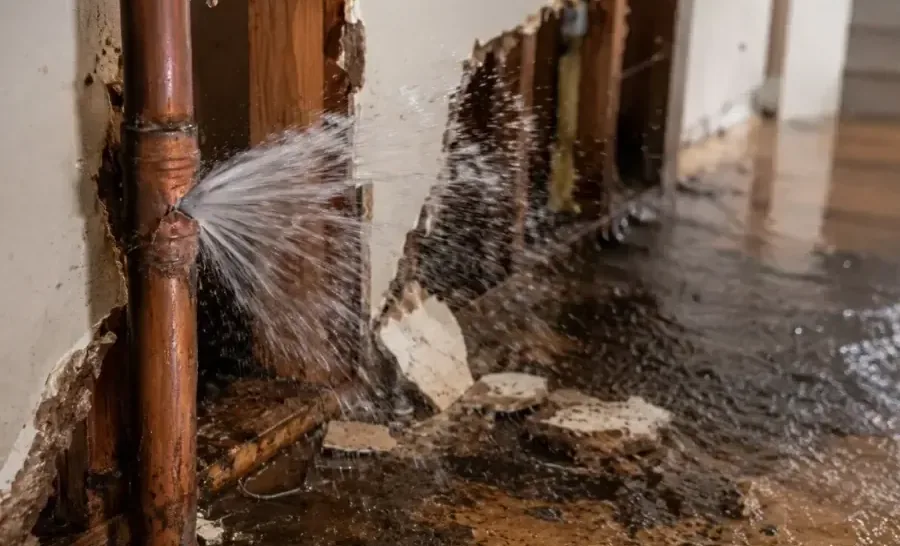 WD-12Appliance and Supply Hose LeaksWasher, dishwasher and refrigerator hose leaks are traced, then floors and cabinets dried.See the service
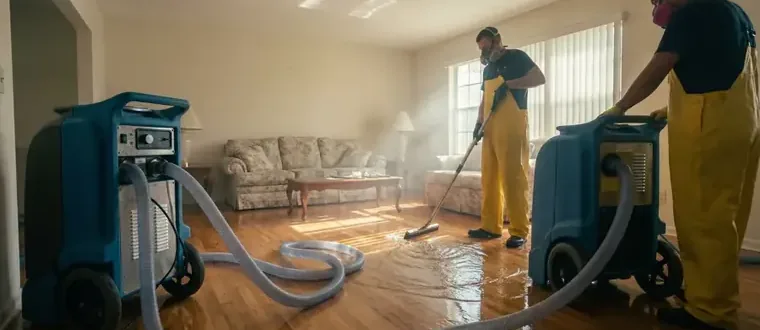 WD-13Structural Drying and DehumidificationAir movers and dehumidifiers pull moisture from framing and subfloor until readings turn dry.See the service
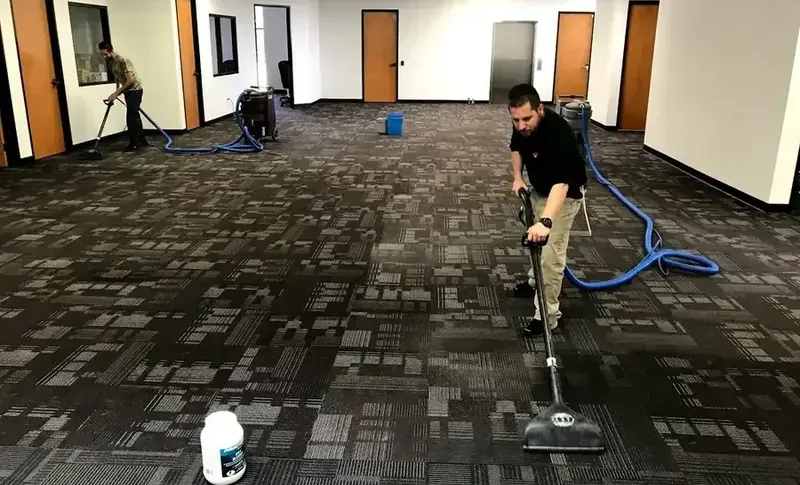 WD-14Commercial Water DamageShops, offices and apartment buildings get phased drying that keeps other suites working.See the service
What to do while the crew is on the way
Wet basements and sewage backups call for different first moves, and both get worse the longer water sits. Each has its own short list here, written for lake-country homes.
If a basement is flooding
- Stay off wet stairs if water has reached an outlet or panel, and leave the power to an electrician.
- Lift small valuables and furniture legs onto foil or blocks, and keep children and pets upstairs.
- Photograph the high-water mark and damaged belongings before anything moves.
If a drain is backing up
- Stop using sinks, toilets, showers and the washer so no more water is added.
- Keep everyone out of the wet room, because sewage water carries bacteria.
- Do not scrub or vacuum it; removal and disinfection belong to a trained crew.
What a Carver County homeowner can expect from the crew
Open every hour
Water does not keep business hours, so dispatch runs overnight, on weekends and through storm nights.
Truck-mount power
Truck-mounted extractors and submersible pumps move large volumes out of basements and finished rooms.
Readings in writing
Moisture and humidity readings are logged at each visit, giving an adjuster a clear record of what was wet.
Lake-country awareness
Crews plan for lakeshore basements, thaw runoff and storm ponds, which shape how long water lingers near a foundation.
From the first reading to the final dry check
- 01
Find the water
Meters and a thermal camera trace moisture through floors and walls well beyond the visible stain.
- 02
Remove it
Pumps and extractors take the standing water first, because lifting liquid beats drying it.
- 03
Size the drying
Air movers and dehumidifiers are matched to the room volume and the materials that got wet.
- 04
Track progress
Readings are repeated at every visit, and equipment moves as the wettest spots change.
- 05
Confirm it
Drying ends only when wet materials read at their dry standard, and the final numbers go into the claim file.
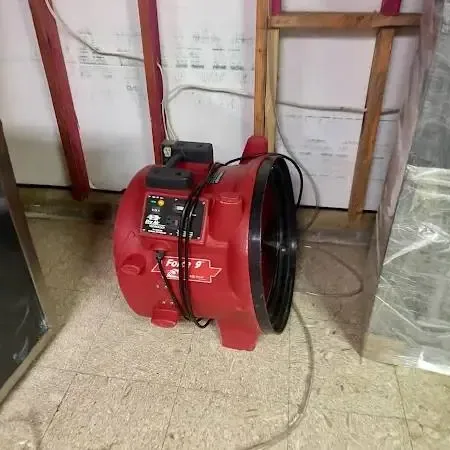
Drying work shaped by Carver County lakes
The city sits along the southwest edge of Lake Minnetonka and calls itself The City of Lakes and Parks. It lists 13 main lakes, including Lake Zumbra, Lake Auburn and Stieger Lake, so lake levels and groundwater touch many foundations, from lakeshore lots to inland streets.
The city says it has more than 12,000 residents, a 43% increase over the last 10 years, and the Census estimate puts the median home build year at 2006. The crew dries new subdivisions and older streets alike, using one measured standard, and structural drying follows every extraction.
See how the drying worksHow the crew decides a structure is truly dry
| Drying standard | IICRC S500 steps set the plan |
|---|---|
| Water removal | Pumps and extractors go first, drying units second |
| Daily checks | Meter and humidity readings logged each visit |
| Finish point | Each material reads at its dry standard |
| Sewage and floodwater | Category 3 water: porous materials come out, not dried |
| Cool lower levels | Heat and desiccant help damp, cold basements dry |
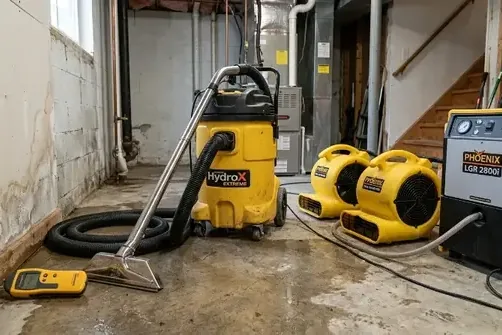
- Truck-mounted extractor with submersible pumps for deep water
- Low-grain refrigerant dehumidifiers sized to the room volume
- Axial and centrifugal air movers set to push air along wet walls
- Moisture meters, a thermal camera and a hygrometer for daily logs
Records that support the claim
Readings, photos and equipment logs are kept as the job moves along, and they are written so an adjuster can follow what was wet, what was removed and what was dried, day by day.
Policies differ on lake flooding, groundwater and sewer backup, so the homeowner confirms coverage with the insurer. The crew documents the loss either way and never promises what a policy will pay. Photos of ruined contents are worth keeping too.
How much does water damage cleanup cost in Victoria?
Most Victoria jobs fall between about $1,200 for a small clean leak and $15,000 or more for contaminated or whole-level losses. Depth, water category and the materials involved move the price, and a written scope follows the first readings.
Prices shift with water category, square footage, the materials involved and how long the water sat. A written scope after the first readings narrows the range, and the cost calculator can give a rough figure beforehand.
What water damage drying looks like
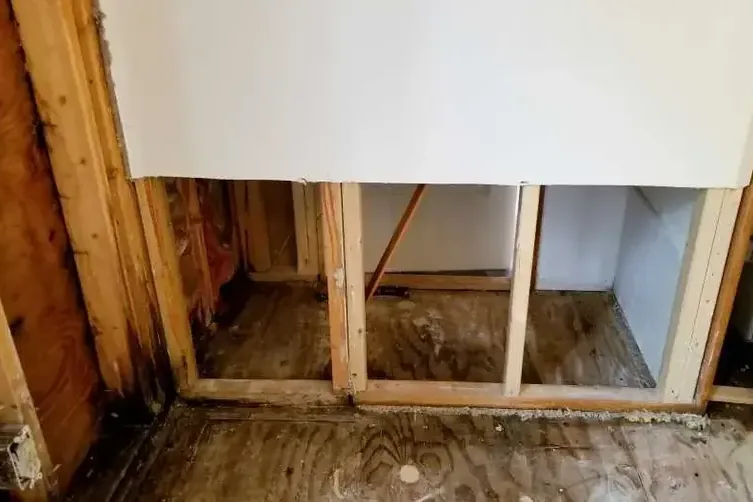
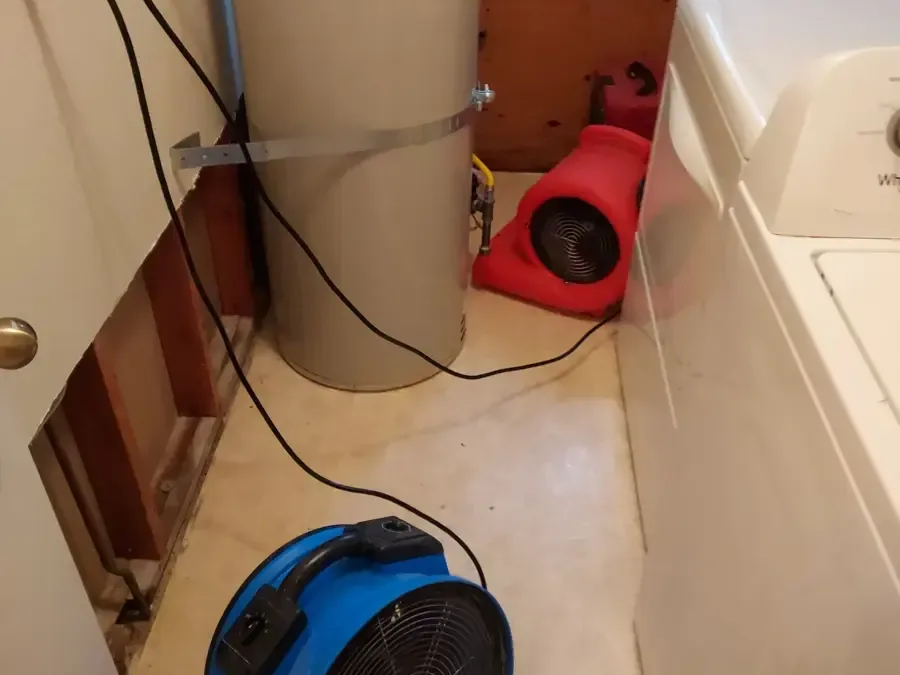
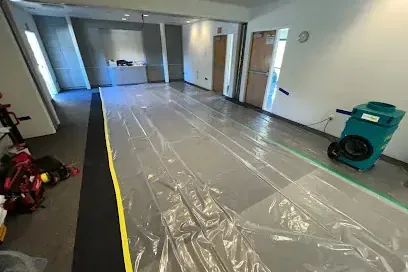
Photos show typical equipment and conditions on drying jobs, not specific local addresses.
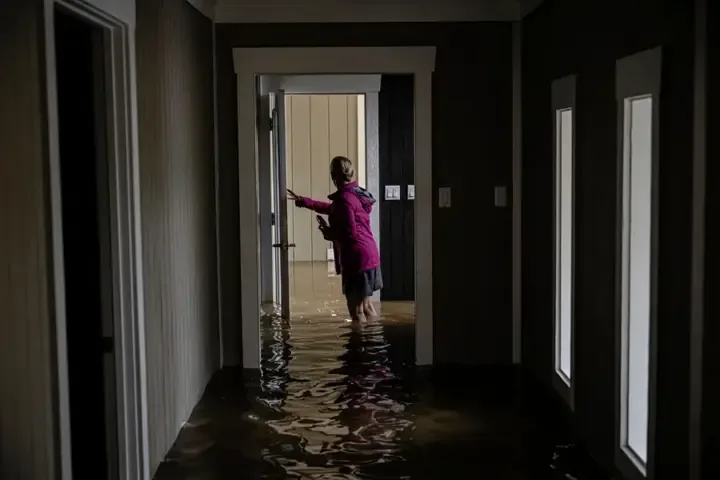
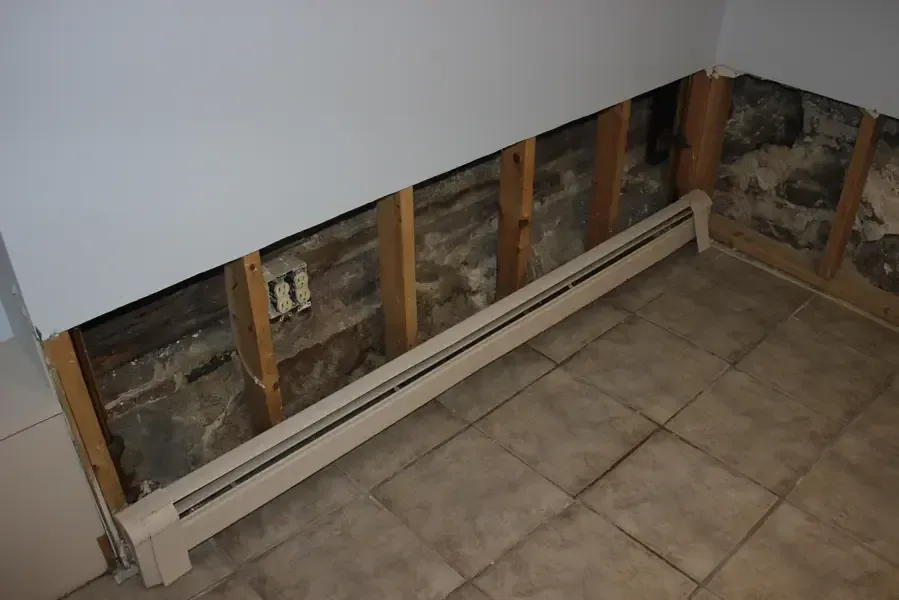
Clean, gray and black water explained
Category 1: clean water
Supply pipes and hoses release clean water at first, but it turns gray if left sitting.
Burst pipe water damageCategory 2: gray water
Washer discharge, dishwasher overflow and pit pump failure carry bacteria and need careful removal.
Sump pump failure cleanupCategory 3: black water
Sewage, lake overflow and storm runoff carry harmful bacteria, so porous materials are discarded.
Sewage backup cleanupNeighborhoods and corridors the crew covers
From the park-side downtown to the lake streets and newer subdivisions, the crew works across the entire city.
ZIP 55386 is the code for the city. Properties near the edge of town or in neighboring communities can be confirmed when the crew is contacted.
Downtown and park edge
ZIP 55386
Lake Zumbra shore
ZIP 55386
Newer subdivisions
ZIP 55386
Ponds and wetlands
ZIP 55386
Lakepoint area
ZIP 55386
Next door
Nearby
Water damage help in Victoria, day or night
Burst pipes, rising lake water and sewer backups ignore business hours. The dispatch team takes a few details, then the crew rolls with pumps and meters loaded.
Victoria water risks worth knowing
Lakes, wet springs, winter cold and fast growth each leave a mark on how water gets into local buildings.
- Lake Zumbra, July 2014 A Minnehaha Creek Watershed District study records Lake Zumbra peaking on July 3, 2014, the highest level in the records that began in 1958, with wet basements on Zumbra Drive and Zumbra Circle.
- Slow lake peaks The same study found Lake Zumbra crests about 7 days after a big rain, so lakeside properties can see water rise long after the sky clears.
- Thaw season Each spring thaw brings seasonal road weight limits, and melting snow adds water around foundations at the same time.
- Sewer upkeep The city jets and televises sewer pipes in several neighborhoods each year to head off backups, and the 2026 round was reported complete on September 30, 2026.
- Winter freeze and snow January snow above 20 inches struck the Twin Cities in 2023, 2018 and 2014, and heavy snow years bring ice dams and frozen pipes.
Common questions from local homeowners
What should happen first when water gets into a lower level?
Stay out of standing water near outlets, panels and appliances, and shut off power to that area only from a dry spot. Stop the source if it can be reached safely, take photos, then bring in the crew so pumping begins before anything gets scrubbed. Removing the volume first protects the framing.
Did the 2014 Lake Zumbra flood really reach basements?
Yes. According to a Minnehaha Creek Watershed District study from 2015, the July 2014 high water brought surface flooding and wet basements to Zumbra Drive and Zumbra Circle, and five of 16 affected owners had water above the lowest opening.
How long does structural drying take?
Most jobs need several days of equipment, and dense materials such as hardwood, concrete or thick framing can take longer. The finish point is a dry reading on each material, not a date on the calendar.
Is a sewage backup handled differently from clean water?
Yes. Sewage is Category 3 water, so wet carpet, pad and drywall are removed, surfaces are disinfected and the air is scrubbed. See sewage backup cleanup for the full steps.
Are newer subdivisions safe from hidden moisture?
Not automatically. A failed supply hose or roof leak soaks drywall in a new house just as it does in an old one, and the median home here was built in 2006.
What does the city do about sewer backups?
The city jets and televises sewer pipes in several neighborhoods each year to prevent backups, overflows and localized flooding. Private drains and pipes inside a building can still fail, and some properties here use septic systems.
Will homeowner insurance cover lake flooding?
Policies vary on lake flooding, groundwater and sewer backup, so the homeowner confirms coverage with the insurer. The crew documents the loss with photos and readings and does not promise what a policy pays.
Can a business stay open during drying?
Often, yes. Zoned containment and equipment placed away from entrances let unaffected suites keep working while wet areas are opened. See commercial water damage for the details.
What does water damage cleanup cost?
Small clean leaks start near $1,200, finished lower levels run about $3,500 to $8,500, and contaminated or whole-level losses can reach $15,000 or more.
When does mold become a concern?
Mold can start growing in wet materials within 24 to 48 hours, which is why extraction and drying begin right away.
Stop the spread before it reaches the framing
Standing water soaks deeper with each passing day. Start extraction and the readings now.