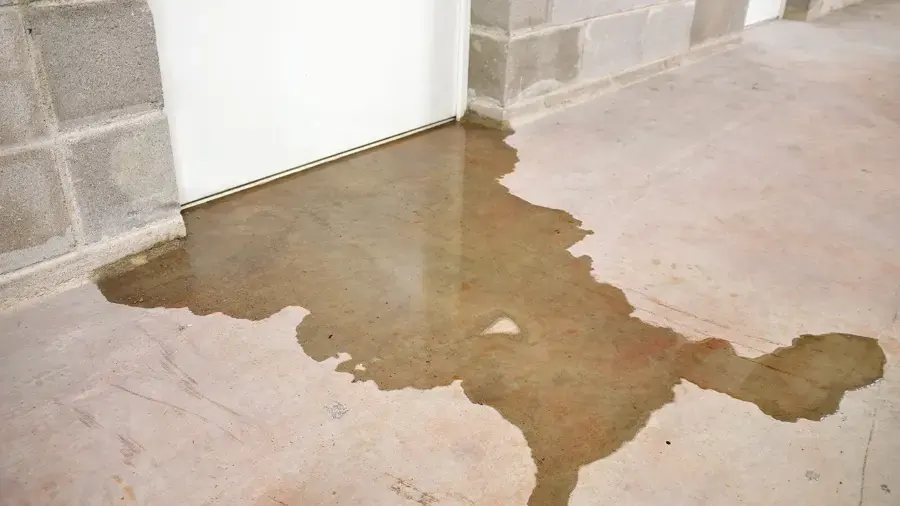
Spring thaw water

Snowmelt Seepage Cleanup in Victoria, MN

Melting snow sends water along foundation walls, through cracks and up from the floor edge. The crew maps the moisture, removes wet carpet edges and insulation, and dries the wall and slab before damp turns into damage.

(888) 432-4933Get seepage mapped and dried
Moisture mapping Carpet edges lifted Wall and slab drying
Victoria snowmelt seepage: water spreading from a block wall across a basement floor
SeasonLate winter and spring thaw
Entry pointsWall base, cracks, floor edge
Often missedCarpet edges, wall bottoms
Tracked byMeter and thermal camera
Right now

First steps for snowmelt and foundation seepage

  1. Check the wall base

    Look for dark patches, white mineral crust or a damp carpet edge along outside walls.

  2. Move furniture away

    Pull furniture and boxes from the wall so air can reach the wet area.

  3. Ventilate

    Run a fan and open a window on dry days, but expect it to be only a stopgap.

  4. Call early

    Seepage spreads quietly, and early mapping keeps the removal small.

Trade facts
Water category1 or 2, by source
EntryWall base, crack, floor edge
RemovalCarpet edge, lower drywall
DryingWall, slab, sill plate
The standard

How snowmelt and foundation seepage is held to the drying standard

Rapid local response

Active water is treated as urgent at any hour, because it keeps wicking into drywall, pad and framing after dark.

IICRC S500 drying standard

Structural drying, not just surface drying, with equipment sized to the class of the loss.

Claim-ready documentation

A moisture map, daily psychrometric readings and timestamped photos taken before any demolition.

Cold-climate know-how

Basements, frozen pipes, ice dams and spring thaw water are everyday work in the Minnesota River valley.

Typical cost ranges

What does snowmelt and foundation seepage cost in Victoria, MN?

Seepage cleanup here runs from about $1,500 for one wall caught early to $7,000 or more for long-running seepage. How far the moisture traveled, how much finish is wet and how long it went unnoticed set the total.

One wall, caught early

$1,500 to $2,800
  • Moisture mapping
  • Carpet edge lifted
  • Drying in place

Several walls

$2,800 to $5,000
  • Lower drywall and insulation out
  • Pad replaced
  • Framing dried

Long-running seepage

$5,000 to $7,000+
  • Wider removal
  • Antimicrobial on framing
  • Extended drying

Ranges are typical, not a quote. The water category, the square footage that got wet, the material class and how fast drying started move the number most. For a planning range, run the water damage cost calculator.

The process

The snowmelt and foundation seepage process, in order

The order matters: moisture mapping comes before equipment, and equipment stays until the readings say dry, not until it looks dry.

  1. 01

    Map

    Meters and a thermal camera trace moisture along every outside wall.

  2. 02

    Open

    Carpet edges lift, lower drywall comes off and wet insulation is pulled.

  3. 03

    Dry

    Air movers and dehumidifiers work the wall cavity and slab.

  4. 04

    Recheck

    Readings continue after the thaw because moisture can return.

Seepage is slower than a flood, which is exactly why it gets missed. In Victoria a damp carpet edge in March can turn into wet framing by May if nobody checks behind the wall.

How thaw water gets in

Spring thaw is a named season in the city, with seasonal road weight limits set every year, and the same melt that soaks the ground adds water around foundations. Wet snow packed against a wall, frozen ground that cannot absorb meltwater and sudden warm spells all push water toward the lower level. Water can also track along the top of the slab and surface well away from the wall.

  • Moisture mapped along every outside wall
  • Carpet edges lifted and bottom drywall checked
  • Wet insulation removed and the cavity dried

Heavy snow years set the stage

The Twin Cities logged more than 20 inches of January snow in 2023, 2018 and 2014, and a deep snowpack means a long, heavy melt. The crew pays most attention to the weeks after a big thaw, when readings that looked fine can climb again.

Stopping repeat damage

Cleanup treats what is wet now, while keeping water away is a separate job for a drainage or waterproofing contractor. The crew notes where moisture entered so that contractor knows where to look, and a written note of the entry points travels with the claim file. See sump pump failure cleanup when a pit is involved.

Service area

Snowmelt and foundation seepage across Victoria and nearby towns

Service area map

Thaw seepage work spans lakeside and inland basements alike, from the Lake Zumbra shore and Zumbra Ridge to Marsh Hollow, Deer Run, Green Crest and The Woodlands, and every other basement across ZIP 55386.

The same service nearby: snowmelt and foundation seepage in Shakopee, Chaska, Chanhassen.

Water damage restoration in Victoria · every town covered

Questions

Snowmelt and Foundation Seepage questions in Victoria, MN

Why does seepage show up in spring?

Melting snow adds water around the foundation while the ground is still partly frozen, so water looks for the nearest way inside.

How can seepage be told from a plumbing leak?

Seepage usually shows at the wall base along outside walls and worsens after thaw or rain, while a pipe leak stays near plumbing.

Does wet drywall always have to come out?

Not always. Moisture caught early can be dried in place, while soaked or crumbling drywall and wet insulation are removed.

Will the readings stay dry?

Only if the water source changes. The crew documents where moisture entered, and a drainage or waterproofing contractor handles prevention.

How deep was the snow in heavy years?

The Twin Cities saw more than 20 inches of January snow in 2023, 2018 and 2014, which leaves a heavy melt to deal with.

Is seepage covered by insurance?

Policies differ on gradual seepage, so the homeowner confirms with the insurer, and the crew documents the readings and photos.

24/7 water removal

Damp wall base? Check it now.

Tell the crew where the damp patches are and when they first showed up, and the mapping visit is planned around that.

(888) 432-4933Request a seepage check
Call (888) 432-4933 24/7