Spring thaw brings high water to the Minnesota River valley and the creek ravines that drain into it, and snow and rain flooding closed the Highway 41 river crossing in March 2011. Smaller versions of the same pattern show up inside homes as seepage at the base of a wall.
How seepage differs from a leak
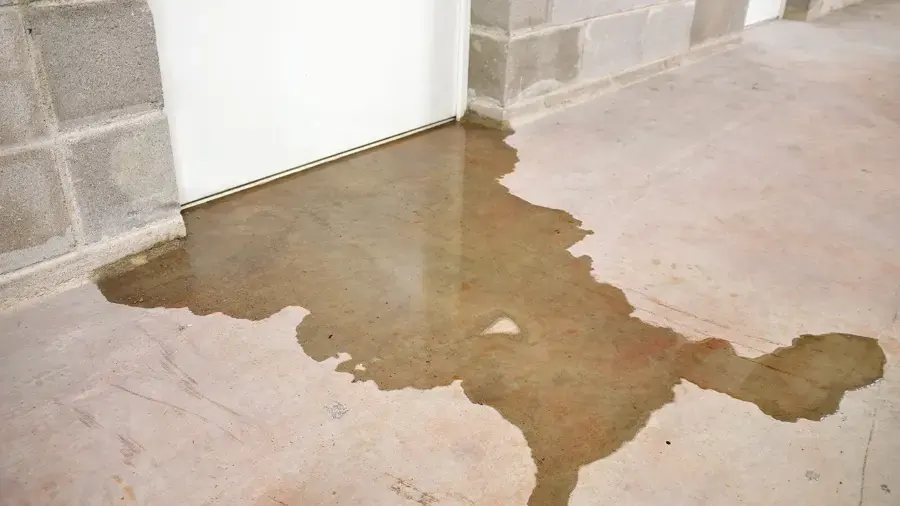
Seepage is slow. Water works through cracks, joints and porous block or concrete, so the first sign is often a damp carpet edge, a musty smell or a darkened strip along the baseboard instead of a puddle.
- Meters read the base of each wall and the floor edges
- Carpet corners are lifted to check the pad underneath
- Window wells and downspout discharge are examined as likely entry points
Why it keeps coming back
Meltwater and spring rain saturate the soil around a foundation, so a wall that seeped once will seep again in the next thaw unless outside water is directed away. Gutters, downspout extensions and grading are the owner's side of the fix. The crew's side is removing wet material and drying what remains.
Drying in place
Caught early, seepage is often dried without removing finished surfaces. Small access holes let warm, dry air reach the cavity, and dehumidifiers pull the moisture out of the lower wall. Longer-running seepage calls for removing the lower drywall and insulation so the framing can dry, a process described under structural drying.