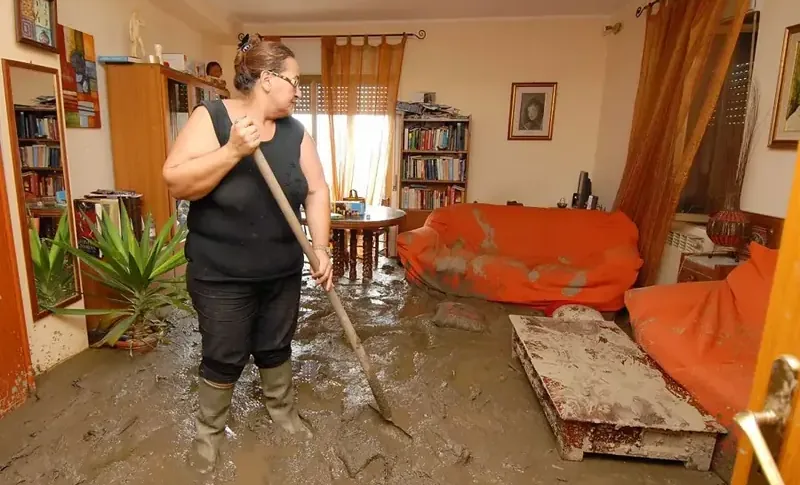
The Minnesota River crested at 34.25 feet on April 12, 1965, the highest recorded local level, and 242 Chaska homes were damaged. That history is why river water stays part of the planning here.
What the river record shows
The April 1965 flood rose above the second floors of many homes, and 14 commercial buildings were damaged as well. A flood control project completed in 1998 added a levee and a diversion structure in the lower part of town, and in June 2024 MnDOT closed the Highway 41 river crossing for rising river water, with a reopening planned for July 22 after repairs.
What flood cleanup involves
Floodwater is Category 3 because river and storm water pick up soil, sewage and chemicals on the way in. Anything porous that sat in it goes, and everything left is cleaned before drying begins.
- Mud and silt are shoveled and flushed out before they dry hard
- Carpet, pad, insulation and drywall below the water mark are removed
- Concrete, framing and hard floors are washed and disinfected
Drying after the river drops
Flooded structures hold more water than a pipe leak delivers, so drying runs longer. Heat, dehumidifiers and airflow work through the slab, the framing and any masonry until readings match the dry standard. See water extraction for the pump-out stage.