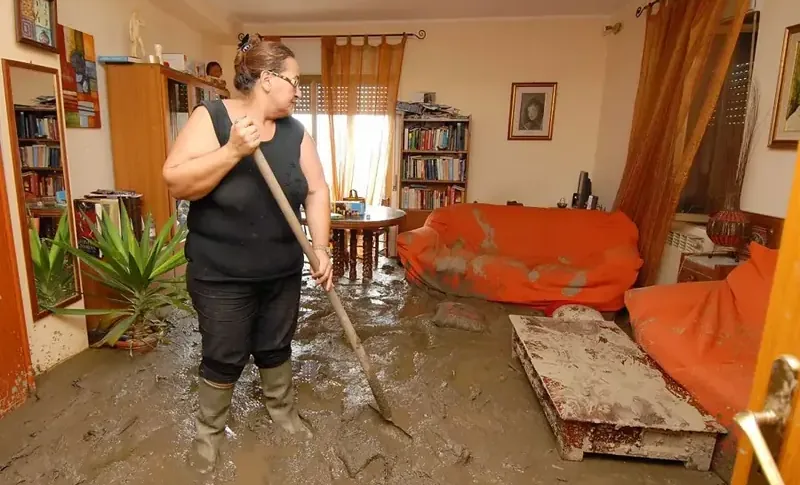
Floodwater carries soil, bacteria and whatever it crossed on the way in, so a flooded property in Victoria is handled as contaminated water from the first step.
What high water looked like in 2014
June 2014 brought record precipitation across the Minnehaha Creek watershed, and on July 3 Lake Zumbra peaked at an elevation of 944.91, which was 1.61 feet above its ordinary high water level and the highest since records began in 1958. A 2015 study estimated about $371,000 in damage on the lake, and the city spent $20,000 on sandbagging.
- Water and mud pumped out of garages, basements and finished rooms
- Porous materials below the water mark removed and discarded
- Hard surfaces and framing cleaned and treated
Why flood cleanup goes deeper
The same study found several Lake Zumbra properties have land, low floors or low openings at or below the 100-year high water level. Water entering through those low points has crossed yards and drains first, which is why the insulation, drywall and carpet it touches are discarded instead of dried.
Drying comes last
Once the mud and wet finishes are out, dehumidifiers and air movers dry the slab and framing. See structural drying and water extraction for each stage. Drying a flooded slab takes patience, since mud and silt hold water, so readings are repeated until the whole structure meets the dry standard.