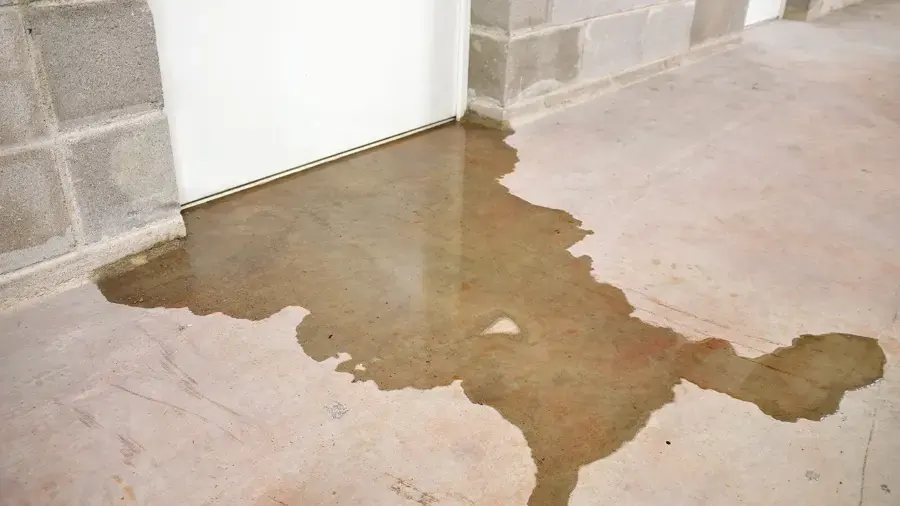
Spring thaw water

Snowmelt and Foundation Seepage in Shakopee, MN

Seepage rarely arrives as a flood. It creeps through a window well, a cove joint or a crack and soaks the carpet edge and the bottom of the drywall for days. The drying team finds how far it went and dries it out.

(888) 432-4933Damp carpet along the wall? Get it checked now
Thermal imaging and meters Drying behind finishes Photos for the claim file
Snowmelt seepage spreading across a basement floor from a block wall
Water categoryUsually 2
Class of lossOften 2
Typical drying3 to 5 days
Drying standardIICRC S500
Right now

First steps for snowmelt and foundation seepage

  1. Clear the window wells

    Shovel snow out of wells and away from the foundation if it is safe.

  2. Redirect downspouts

    Point them away from the house to cut the load on the wall.

  3. Pull back storage

    Move boxes and furniture away from damp outside walls.

  4. Mark the damp spots

    Photograph wet carpet edges and stains before the next melt.

Trade facts
Water categoryUsually 2, groundwater
Typical pathWindow well, cove joint, crack
DetectionThermal imaging, pinless meters
Drying goal2 to 4 points of a dry reference
The standard

How snowmelt and foundation seepage is held to the drying standard

Rapid local response

Active water is treated as urgent at any hour, because it keeps wicking into drywall, pad and framing after dark.

IICRC S500 drying standard

Structural drying, not just surface drying, with equipment sized to the class of the loss.

Claim-ready documentation

A moisture map, daily psychrometric readings and timestamped photos taken before any demolition.

Cold-climate know-how

Basements, frozen pipes, ice dams and spring thaw water are everyday work in the Minnesota River valley.

Typical cost ranges

What does snowmelt and foundation seepage cost in Shakopee, MN?

In Shakopee, MN, snowmelt and seepage water damage cleanup typically runs $1,500 to $7,000 depending on how many walls took on water, how far it wicked into finishes and how long it went unnoticed. Waterproofing the wall is a separate cost.

One wall, caught early

$1,500 to $2,800
  • Moisture mapping
  • Carpet edge lifted
  • Drying in place

Several walls

$2,800 to $5,000
  • Lower drywall and insulation out
  • Pad replaced
  • Framing dried

Long-running seepage

$5,000 to $7,000+
  • Wider removal
  • Antimicrobial on framing
  • Extended drying

Ranges are typical, not a quote. The water category, the square footage that got wet, the material class and how fast drying started move the number most. For a planning range, run the water damage cost calculator.

The process

The snowmelt and foundation seepage process, in order

The order matters: moisture mapping comes before equipment, and equipment stays until the readings say dry, not until it looks dry.

  1. 01

    Map every outside wall

    Meters and thermal imaging trace the wet zone.

  2. 02

    Open what is wet

    Carpet edges, pad and lower drywall where readings say.

  3. 03

    Dry the wall cavity

    LGR dehumidifiers and air movers on the framing.

  4. 04

    Confirm dry

    Readings logged until the framing matches a dry reference.

Every March and April, a winter of snow melts in a few warm weeks. The ground is still frozen a foot or two down, so meltwater runs along the surface toward foundations, fills window wells and presses on basement walls. Add a spring rain and the water finds every weak point.

Where thaw water gets in

Egress window wells collect snow and fill like buckets when it melts. The cove joint, where the basement wall meets the floor, lets water in under pressure. Settlement cracks in poured walls and mortar joints in older block walls near downtown wick water to the inside face, where it hides behind framed walls and carpet.

  • Window wells packed with snow and ice, with clogged drains
  • Cove joints at the base of poured walls
  • Cracks and tie-rod holes in poured foundations
  • Downspouts dumping melt right at the foundation

Finding slow water behind finishes

Seepage leaves little standing water, so the tech who does the walkthrough relies on thermal imaging and pinless meters along every outside wall. The readings show where the bottom plate, the insulation and the drywall are wet. That map decides which sections are opened and which can dry in place.

Drying and the fix that follows

The drying team removes wet carpet edges, pad and lower drywall where needed, then dries the framing and wall with LGR dehumidifiers and air movers. The wall itself is a waterproofing or grading fix for a foundation contractor afterward. The National Weather Service Twin Cities office posts spring flood and thaw outlooks each year, and the EPA mold page explains why damp materials need to dry within 24 to 48 hours.

Service area

Snowmelt and foundation seepage across Shakopee and the river valley

ZIP 55379 and the river valley around it

The restoration crew covers ZIP 55379 end to end: downtown and the First Avenue riverfront, the 10th Avenue and Vierling Drive neighborhoods, Stonebrooke and Quarry Lake to the south, and Southbridge, Dean Lakes and Eagle Creek Boulevard to the east.

The same crews reach Prior Lake, Savage, Chanhassen, Chaska, Eden Prairie, Jordan, Victoria and Credit River.

Every neighborhood and nearby town

Questions

Snowmelt and Foundation Seepage questions in Shakopee, MN

Why does my basement only leak in spring?

Frozen ground keeps meltwater near the surface and pushes it toward the foundation. Once the ground thaws and drains, the pressure on the wall drops.

Is seepage covered by insurance?

Gradual groundwater seepage is often excluded, while sudden damage may be treated differently. Coverage depends on your policy, so it is worth checking with your own insurer.

Can damp carpet just be dried with a fan?

A fan dries the surface. Water that wicked into the pad, the bottom plate and the drywall needs measured drying, or it stays wet behind the finishes.

Does the drywall have to come out?

Only where readings show it is wet. Drywall that dried quickly may stay; insulation soaked behind it usually comes out.

Who fixes the wall?

A foundation or waterproofing contractor handles cracks, grading and drainage. The drying team handles the water damage inside.

How long does drying take?

Most seepage losses dry in three to five days once wet finishes are opened up.

24/7 water removal

Thaw water creeping in? Get the walls checked now.

Seepage hides behind carpet and drywall for days. Moisture mapping shows how far it went.

(888) 432-4933Call about spring seepage
Call (888) 432-4933 24/7