Water Damage Restoration Chanhassen, MN
24/7 water damage restoration in Chanhassen, MN. The restoration crew extracts standing water from lower levels and living spaces, dries framing and floors to the IICRC S500 standard and keeps a dated record of every reading for the insurer.
(888) 432-4933Water in the lower level? Call the crew now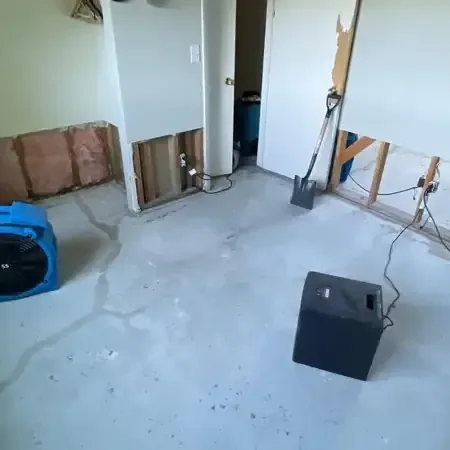
Dry means within 2 to 4 points of a dry reference
Water Damage Restoration Services in Chanhassen, MN
From the first pump-out to the last moisture reading, for homes around the lakes and across ZIP 55317.
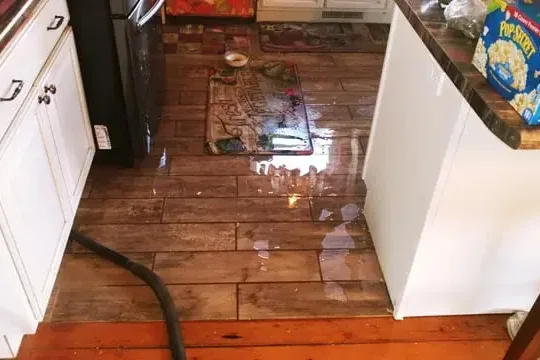 WD-01Water Extraction and RemovalPumps and truck-mounted wands clear standing water before any drying gear is set.Open the service
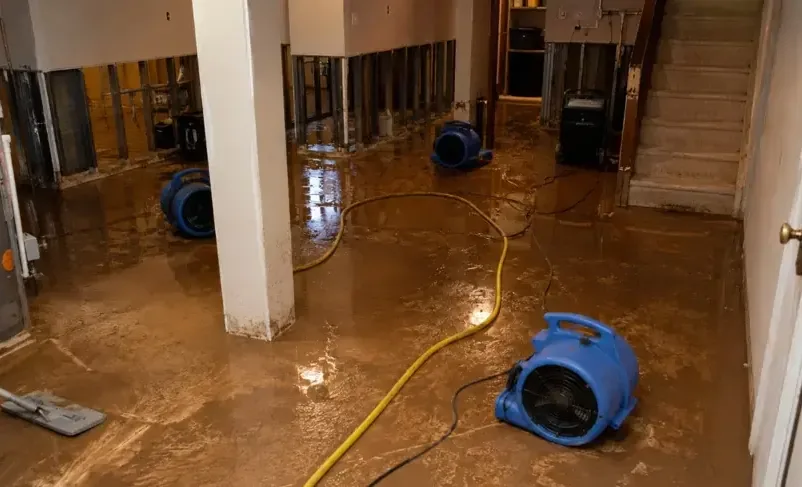 WD-02Basement Flooding CleanupLower-level rec rooms and bedrooms pumped dry, opened at the wet zone and dried.Open the service
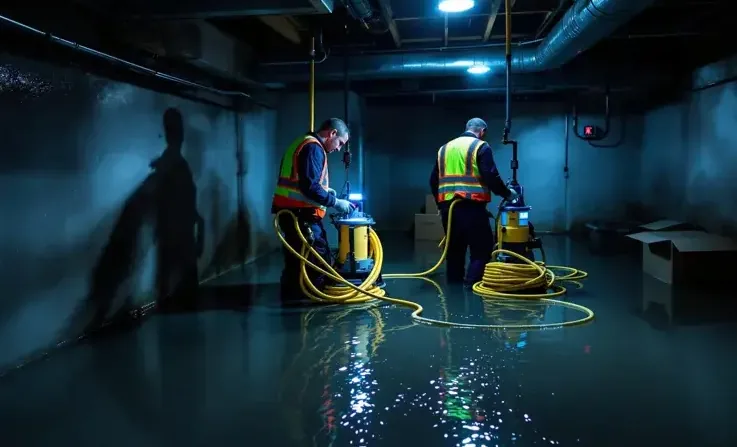 WD-03Sump Pump Failure CleanupOverflowing sump pits after a dead pump or a power cut, cleared and dried.Open the service
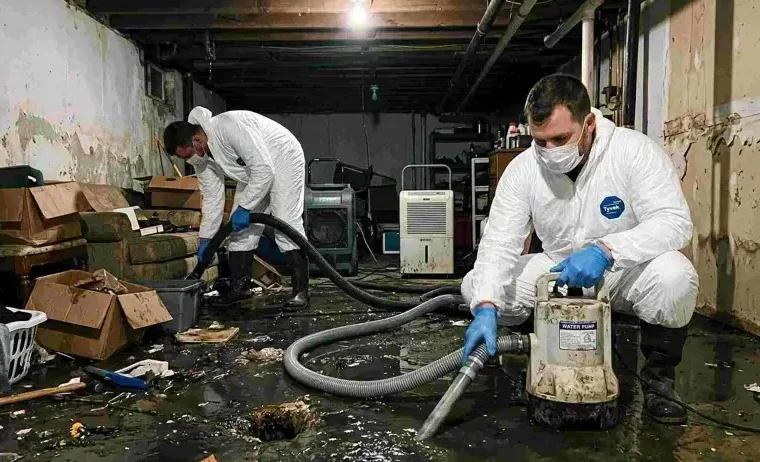 WD-04Sewage Backup CleanupService-pipe and floor drain backups treated as Category 3 from the first minute.Open the service
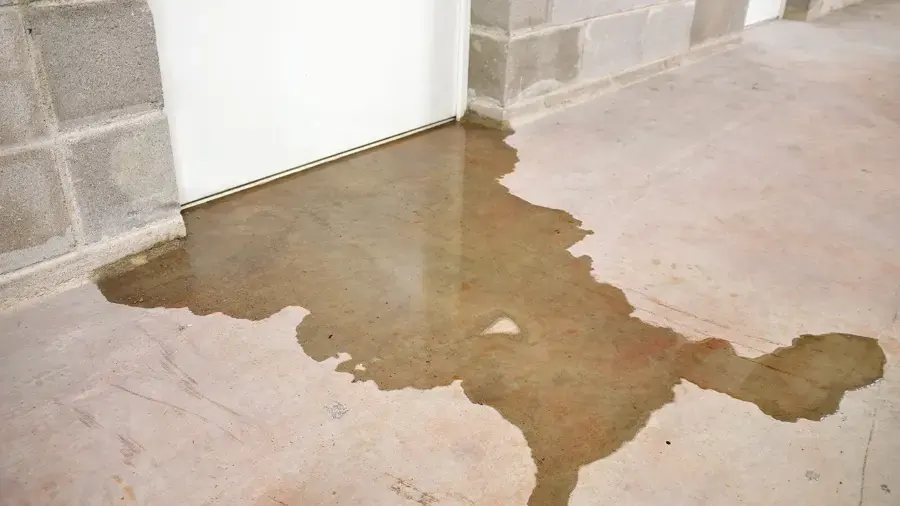 WD-05Snowmelt and Foundation SeepageThaw water at window wells and wall joints, traced with meters and dried out.Open the service
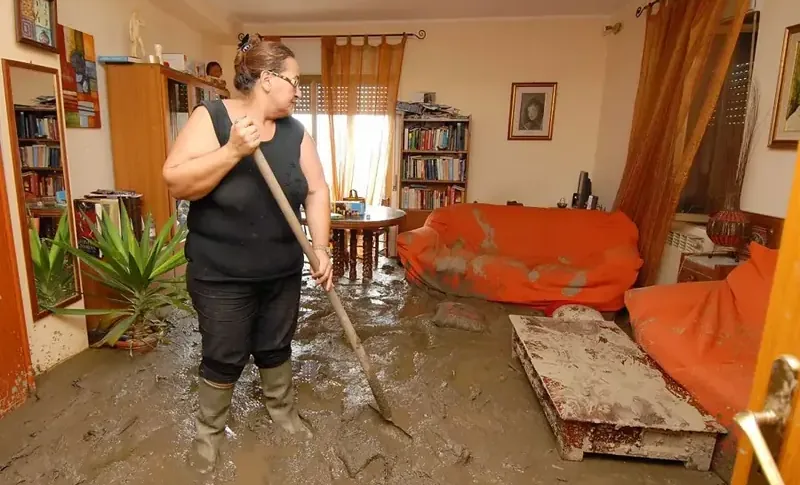 WD-06River and Flash Flood CleanupStorm runoff and high water handled as contaminated, mucked out and dried.Open the service
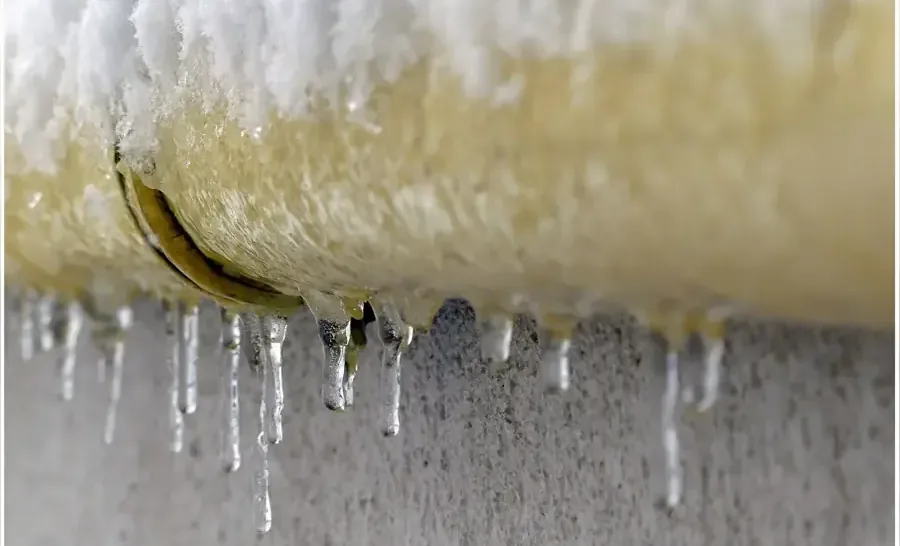 WD-07Frozen Pipe Water DamagePipes that split in deep cold, with soaked insulation pulled and cavities dried.Open the service
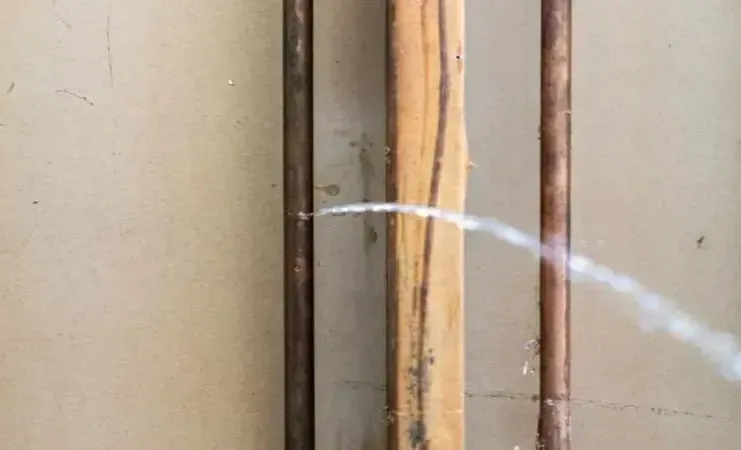 WD-08Burst Pipe Water DamageFailed fittings, valves and pinhole pipes inside walls, traced and dried in place.Open the service
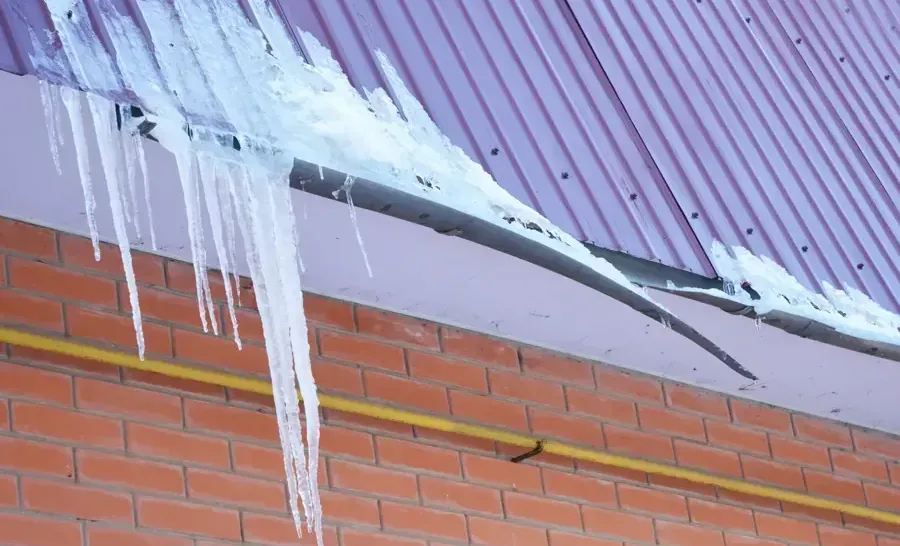 WD-09Ice Dam and Roof Leak Water DamageRoof-edge meltwater in the attic, top-floor ceilings and the tops of walls.Open the service
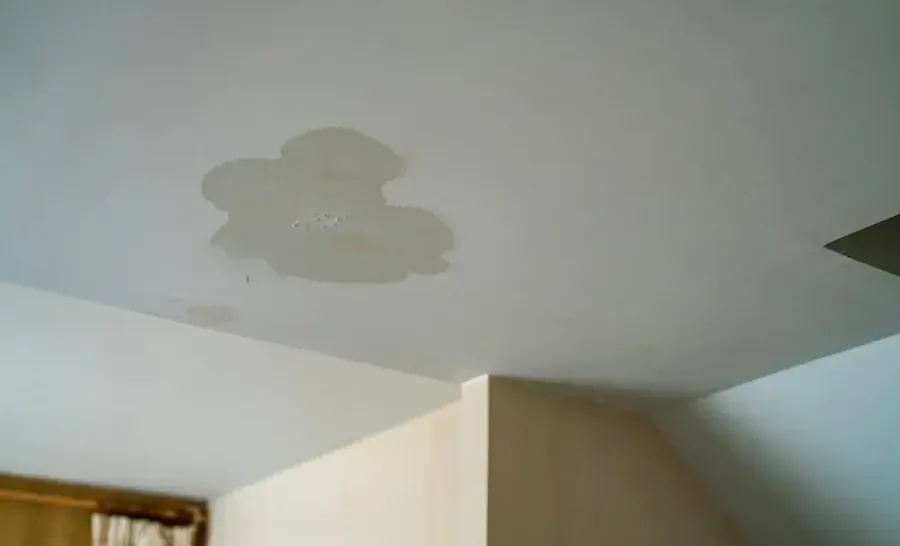 WD-10Ceiling Leak Water DamageUpstairs shower, toilet and laundry leaks drained from ceilings before they drop.Open the service
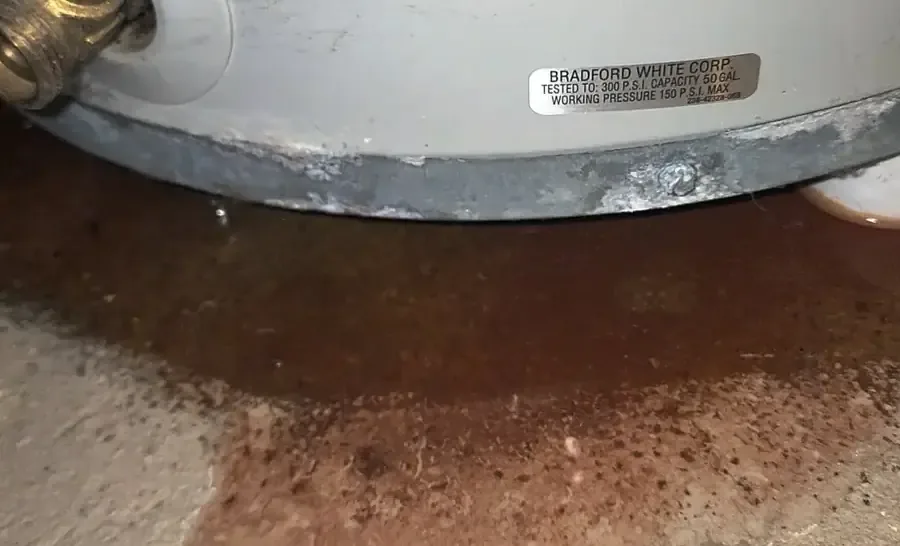 WD-11Water Heater Leak CleanupLeaking tanks and fittings in utility rooms, cleaned up before finished rooms soak.Open the service
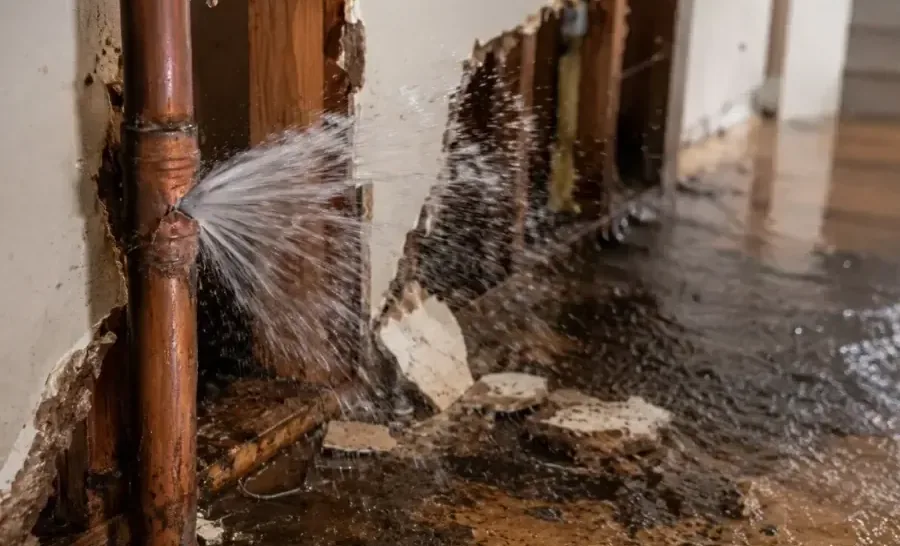 WD-12Appliance and Supply Hose LeaksSoftener, dishwasher, washer and ice maker leaks dried under floors and cabinets.Open the service
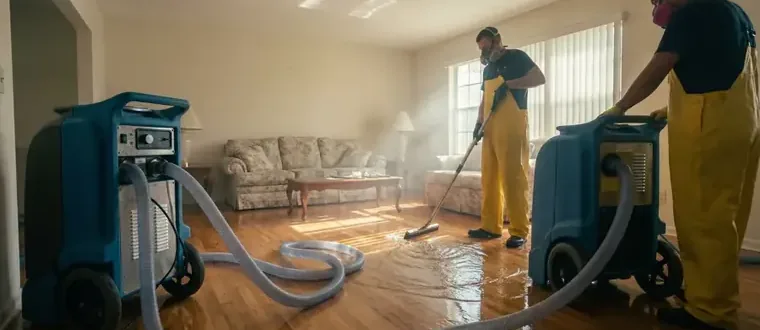 WD-13Structural Drying and DehumidificationStuds, subfloor, concrete and hardwood dried to a measured IICRC S500 goal.Open the service
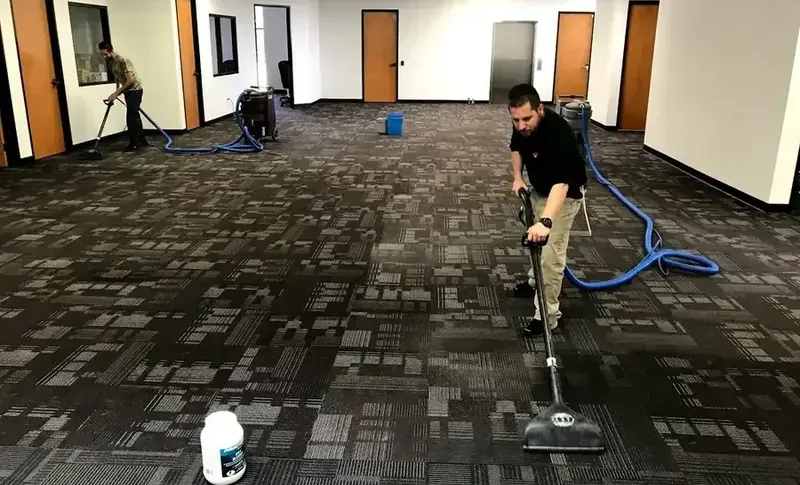 WD-14Commercial Water DamageOffices, shops, fitness and event spaces dried zone by zone.Open the service
First moves while the water is still spreading
Many water losses start below grade: a sump pit, a floor drain or a pipe in a finished lower level. What happens in the first minutes decides how much stays usable.
Water across the lower level
- Shut the main valve if a pipe, the water heater or the softener is leaking.
- Turn off lower-level breakers only when the panel sits on dry floor.
- Photograph how high the water reached, then raise rugs, boxes and electronics.
Sewage coming up a drain
- Stop using water upstairs: no toilets, showers, dishwasher or washer.
- The city asks residents to contact it first so a utility worker can check the city main.
- Keep everyone away from the water and photograph it from the stairs.
How a water loss gets handled, from call to clearance
Rapid local response
Active water is treated as urgent around the clock, since a soaked lower level keeps wicking until the water is gone.
IICRC S500 drying standard
Drying is planned and checked against the industry standard: the structure, not just the surface.
Claim-ready documentation
Moisture maps, daily readings and dated photos taken before demolition build the insurance file.
Lake country know-how
With 12 lakes and 356 wetlands in town, high water, wet yards and lower-level leaks are routine work.
From the first extraction pass to a verified dry reading
- 01
Find the water
Thermal imaging and pinless meters trace where water spread before any drying gear is placed.
- 02
Remove it
Truck-mounted extraction and submersible pumps take the standing water out of the house.
- 03
Size the drying
Air movers and LGR dehumidifiers are matched to how much water each room must lose.
- 04
Track progress
Daily readings go into the drying log, and equipment shifts toward whatever is still wet.
- 05
Confirm it
Drying ends at 2 to 4 points of a dry reference, with the log kept for the claim.
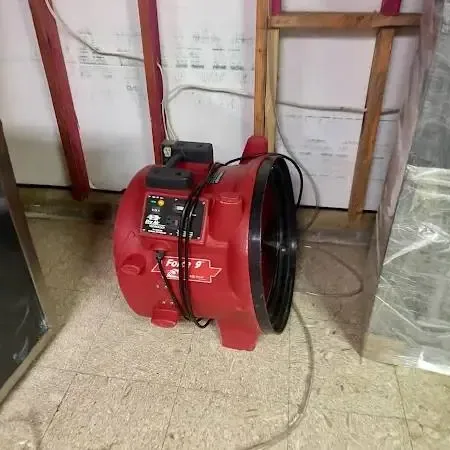
Lake-country water damage experts, day and night
Water damage restoration is two jobs: get the water out quickly, then dry the building itself, not only what shows. The restoration crew extracts standing water, maps moisture inside walls and floors, dries to the IICRC S500 standard and logs each reading for the insurer.
The city counted 25,947 residents in the 2020 Census, and its population has more than doubled from the 1990 count. Split-level homes with finished basements stand along streets such as Lake Susan Drive, and lakes and wetlands cover about a quarter of the city. Each dry-out is planned around the house in front of the crew.
See how the restoration crew worksDried to the IICRC S500 standard, not by feel
| Drying standard | IICRC S500, the industry drying standard |
|---|---|
| Water removal | Truck-mounted units, with submersible pumps for deep water |
| Daily checks | Moisture and psychrometric readings, written into the log |
| Finish point | Within 2 to 4 points of a dry reference |
| Sewage and floodwater | Containment, HEPA air scrubbing and an EPA-registered antimicrobial |
| Cool lower levels | Heat or a desiccant dehumidifier when drying slows |
- Truck-mounted extraction carries the water out of the house.
- Air movers are aimed and sized to each room's evaporation load.
- LGR dehumidifiers do most rooms; desiccants handle cold, dense spaces.
- Thermal cameras and pinless meters find water behind finished walls.
Documentation for your insurance claim
The claim file holds a moisture map from the first visit, daily psychrometric logs, dated photos taken before anything is removed, the water category and class, and an itemized scope.
The city says most homeowner policies exclude sewer backup damage, but many insurers sell riders that cover it. A sudden pipe failure is often handled differently. Coverage depends on your policy, so it is worth checking with your own insurer.
What does water damage restoration cost in Chanhassen, MN?
In Chanhassen, MN, water damage restoration usually runs $1,200 to $15,000 or more. A clean supply leak found early sits near the low end; a finished lower level reached by sewage or floodwater sits near the top.
What moves the number: the water category, how many square feet got wet, the material class (carpet and drywall versus hardwood and plaster) and how soon drying began. The water damage cost calculator gives a planning range.
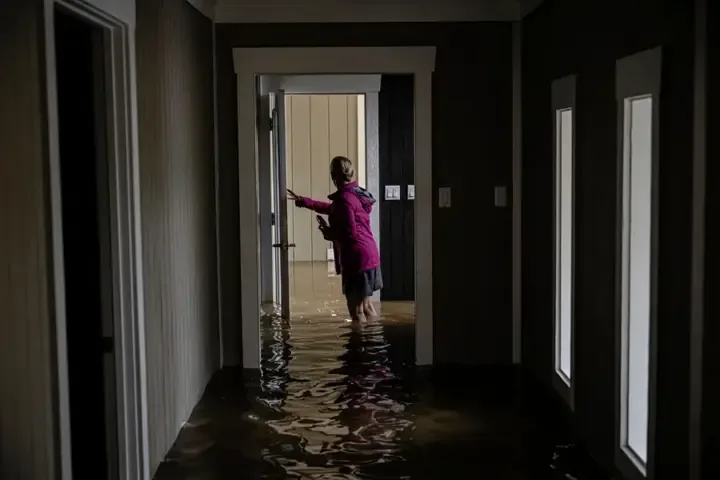
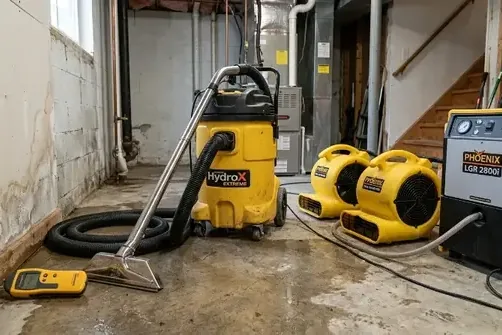
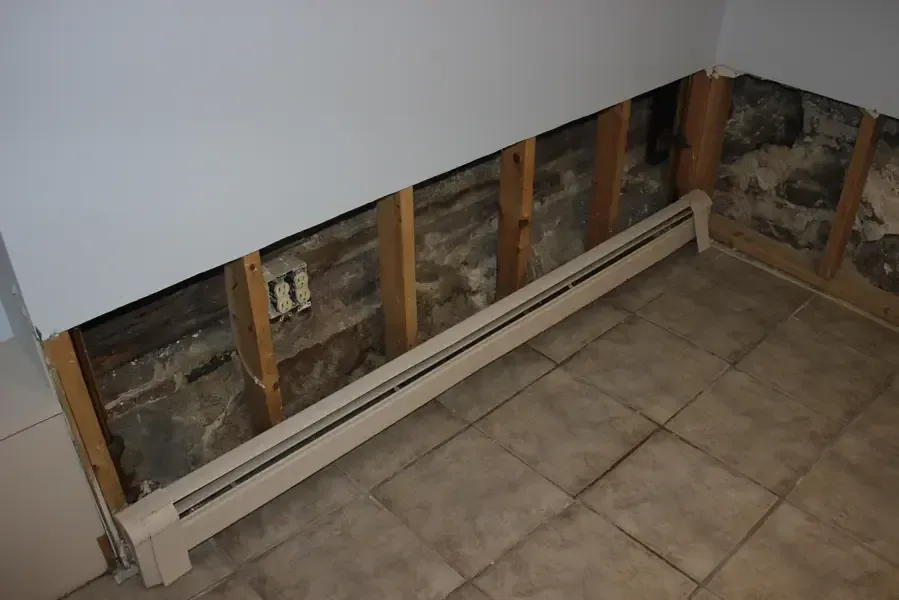
What a water damage dry-out looks like up close
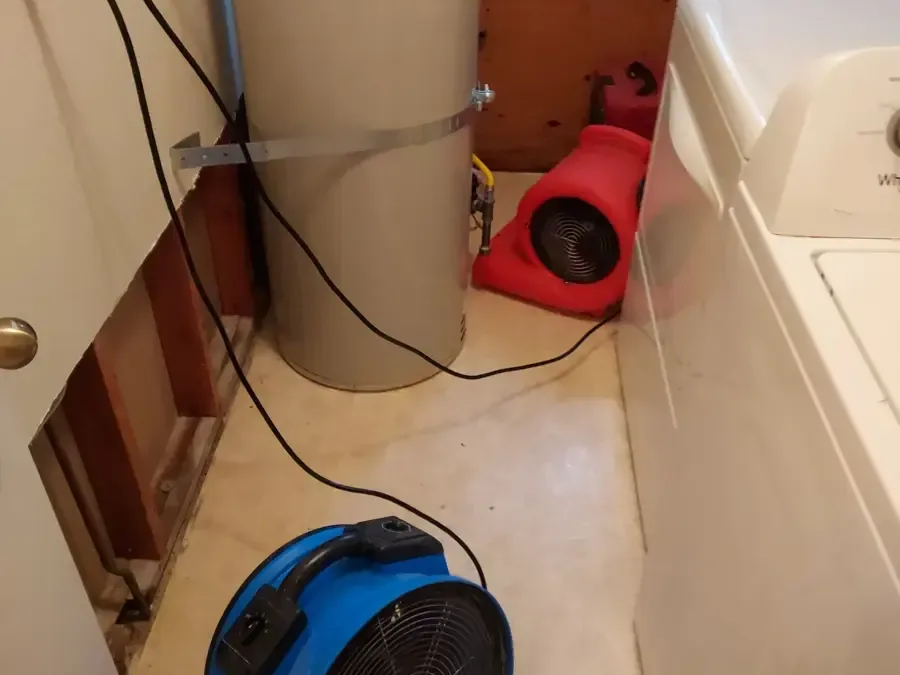
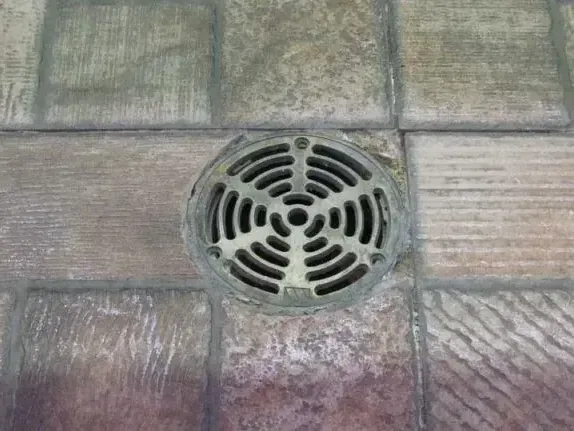
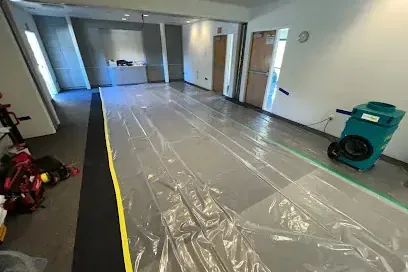
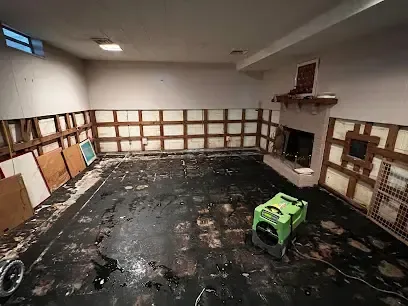
Representative photos of drying and extraction gear at work, not pictures of particular jobs.
Every water category, from clean to black
Category 1, clean water
Supply pipes, water heaters, softeners and frozen pipe splits. Usually dried where it lies.
Burst pipe water damageCategory 2, gray water
Dishwasher and washer drains, sump overflow, or clean water left standing too long.
Sump pump failure cleanupCategory 3, black water
Sewer backups through floor drains and toilets, plus outside floodwater. Contained and removed.
Sewage backup cleanupAround the lakes and across ZIP 55317, 24/7
The restoration crew covers the whole city, from the old village center downtown to the lake neighborhoods on every side.
From the downtown village center and Avienda out to Lake Minnewashta, Lotus Lake, Lake Ann and the Lake Susan and Bluff Creek areas, the drying team reaches every neighborhood.
Downtown and the 212 corridor
ZIP 55317
Lotus Lake
ZIP 55317
Lake Ann and Lake Lucy
ZIP 55317
Lake Susan and Bluff Creek
ZIP 55317
West side
ZIP 55317
Next door
Nearby
One call reaches Chanhassen water damage pros, 24/7
The restoration crew works every street in ZIP 55317, from the downtown village center and Avienda to the neighborhoods on Lotus Lake, Lake Ann and Lake Susan.
Why Chanhassen homes take on water
A city of lakes, wetlands and newer subdivisions, where water risks come from outside and from below.
- Lakes and wetlands all around. The city has 12 lakes and 356 wetlands, and Slow-No-Wake rules start at high water on Lotus Lake, Lake Lucy, Lake Minnewashta and Lake Susan.
- Yards that hold water. The city says clay or silt yard soils hold water longer and pond, and lists sump pumps, roofs and driveways among the causes of poor drainage.
- Sewage in finished basements. In February 2011 a cracked water main flooded a manhole, and sewage backed up into about two dozen basements along two streets in the Lake Susan area.
- Hard water, not softened. City water runs about 21 grains per gallon, and the city says most residents benefit from a softener, one more appliance that can leak.
- Ground that freezes every winter. Minnesota soils freeze for weeks each winter, and the homeowner maintains the service pipe from the curb box to the house.
Lake-area water damage questions, answered
Who clears a sewer backup in the service pipe?
The city says the property owner is responsible for clearing any blockage in the service pipe between the home and the city sewer main, including tree roots, and for cleanup and repair afterward. It asks residents to contact it first so a utility worker can check the city main. The sewage backup cleanup page covers what happens next.
Does homeowners insurance cover sewer backup?
The city says most homeowner policies exclude sewer backup damage, but many insurers sell riders that cover it. Coverage depends on your policy, so it is worth checking with your own insurer.
What causes sewer blockages here?
The city names roots, grease and improper disposal as typical causes, and warns that flushable wipes and paper towels do not break down like toilet paper.
How fast does a restoration crew respond?
Restoration crews dispatch water emergencies around the clock, weekends and holidays included, and active water is treated as urgent. The first call matters most, because water keeps moving into pad, drywall and framing.
Why does a water heater or softener swap need a permit?
The city requires a plumbing permit to install or replace a water heater, dishwasher or water softener, and a gas-fired heater replacement needs a fresh air intake if one is not already there.
How many days does a house take to dry?
A contained Class 1 or 2 loss often dries in three to five days. Concrete, plaster and hardwood hold water longer, cool lower levels slow evaporation, and equipment stays until readings reach the goal.
What does IICRC S500 mean?
It is the industry standard for water damage restoration. It sets how a loss is classified, how drying is planned and monitored, and how a dry result is confirmed.
What should happen in the first few minutes?
Close the main valve, turn off breakers for wet areas only if the panel is dry, stay away from water near outlets, take photos, lift rugs and valuables, then call for help.
Why is sewage handled differently from a pipe leak?
Sewage is Category 3 from the moment it backs up. Carpet, pad and lower drywall it touched are removed rather than dried, and hard surfaces get an EPA-registered antimicrobial.
What separates mitigation from repair?
Mitigation stops the damage: water removal, taking out what cannot be saved, and drying. Repair rebuilds afterward, and insurers usually treat the two as separate parts of a claim.
Water spreading through a lake-area home? Call now.
Extraction, structural drying and the claim file, from Lotus Lake to Lake Susan.