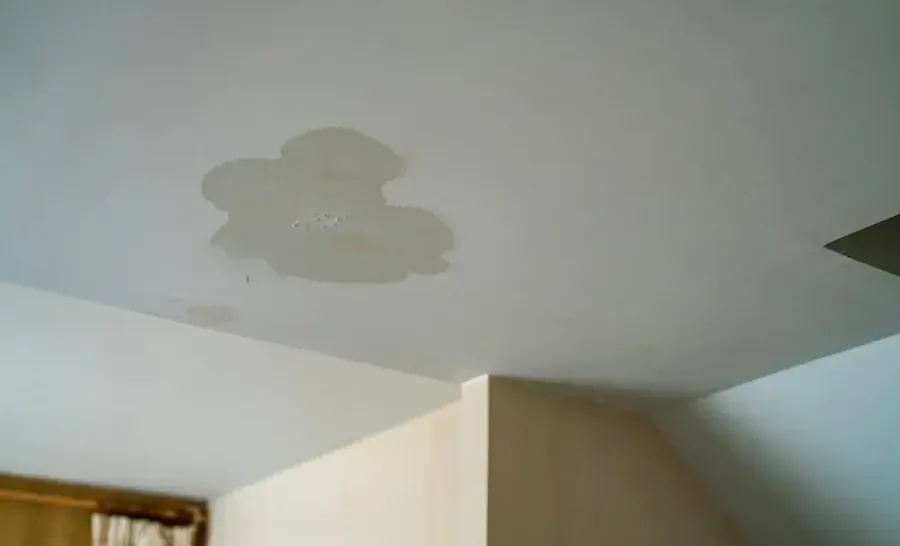
A ceiling stain is the end of the water's trip, not the start. In Victoria, as anywhere, wet drywall can hide soaked insulation, and the pool above may still be growing.
Stacked homes, shared ceilings
Olivine Apartments is a 145-unit building in Downtown West, and Rowe has 125 units over ground-floor retail downtown. In buildings like these a leak in one unit reaches the ceiling of the one below, so readings in both homes matter. The city also counts 494 attached single-family homes, which share walls in a similar way.
- Wet drywall cut back to dry edges
- Insulation above the ceiling removed and replaced
- Joists and subfloor dried before the ceiling is closed
Finding the source
A bathroom supply pipe, a tub drain, a roof leak and an ice dam all leave similar stains. The crew uses meters and a thermal camera to trace the wet area back toward its origin, and a plumber or roofer repairs the cause. Roof leaks follow rain and thaw cycles, while plumbing leaks show up whenever the fixture above is used, and that pattern helps narrow the search.
Opening only what is wet
Small stains often dry through a few access holes. Sagging, bubbled or soaked drywall comes down so insulation and joists dry too. Floors and wall bottoms below get readings as well, since water travels. See burst pipe water damage for pipe failures behind ceilings.