A toilet that gurgles, a floor drain that rises or a sewer smell in a lower level all mean the same thing: wastewater has nowhere to go and is coming back into the house. Who handles the problem depends on where the blockage sits, so the first phone call matters.
Key takeaways
- The city asks residents with a backup to contact it first, so a utility employee can tell whether the blockage is in the city sewer or in the property's service pipe.
- The property owner clears blockages in the service pipe between the house and the city sewer main, including roots and debris, and is responsible for cleaning and repairing the damage.
- The city says it is responsible for backup damage only if its own negligence caused the backup.
- Sewage is contaminated water, so carpet, pad and lower drywall that touched it are removed rather than dried and kept.
- Photographs, a list of damaged items and notes on who was called come before anything is thrown out.
How a sewage backup shows up
Most backups give a warning first. A toilet bubbles when another fixture drains, a tub or shower gurgles, or a floor drain in a lower level starts to seep.
A problem at one fixture usually points to a clog in that fixture's own drain. A problem that reaches several fixtures, or the lowest drain in the house first, points toward the main drain or the service pipe.
The city lists three situations as sewer emergencies:
- A sewer backup in a house or in the street
- A bad sewer smell
- An open maintenance hole
Who does what in Chanhassen
A backup involves two stretches of pipe: the city's sewer under the street and the service pipe that runs from the house to that sewer. Which stretch is blocked decides who clears it.
Call the city first
The city asks residents with a backup to contact it before calling a drain cleaning company. A utility employee can then tell whether the problem is in the city's sewer or in the property's service pipe.
Paying for drain cleaning before the location is known can mean paying to clear a pipe that was never the problem.
City Public Works handles water and sewer emergencies, and an emergency number covers nights, weekends and holidays.
The owner's side of the pipe
The property owner is responsible for clearing any blockage in the service pipe between the house and the city sewer main. That includes debris and tree roots.
The owner is also responsible for cleaning and repairing any damage the backup causes to the property.
When the city is responsible
The city says it is not automatically liable for sanitary sewer blockages. It is responsible for damage only if its own negligence caused the backup.
That position is one reason notes and photographs from the first day matter.
What February 2011 showed about finished lower levels
The clearest local example is the backup of February 23, 2011. A crack in a city water main, apparently caused by shifting soil, flooded a manhole, and sewage backed up into about two dozen basements along Chanhassen Hills Drive and Lake Susan Drive.
Most of those homes had finished basements. The sewage ruined washers, dryers, furnaces, carpets and lower walls.
The city's insurer later denied the homeowners' claims, finding the city was not negligent. That is the reported outcome of that event and says nothing about any other claim.
The event also shows that a backup does not always start with anything the owner did. For any house with a finished lower level, the lesson is practical: the lowest rooms take the damage first, and the machines sitting there are at risk too.
What the cleanup crew removes and dries
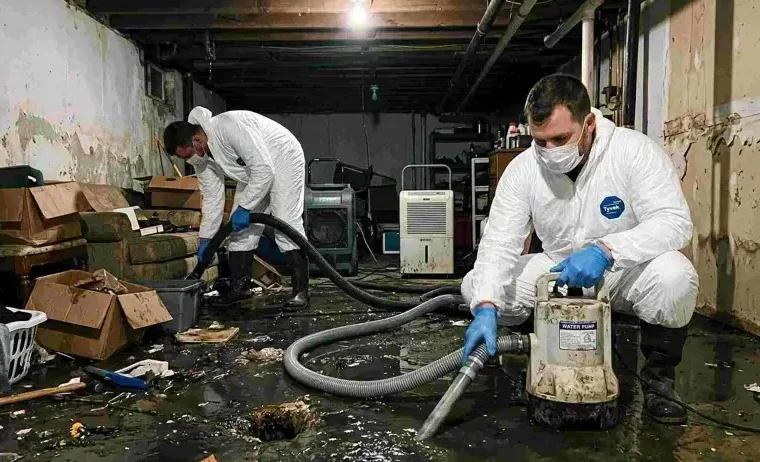
Sewage is Category 3 water, the most contaminated class, so the crew starts with protective gear and keeps the affected rooms sealed off from the rest of the house.
Standing water is extracted first. Then anything porous that touched it comes out, as described in the sewage backup cleanup service overview.
- Carpet and pad, which are not worth saving once sewage has soaked them
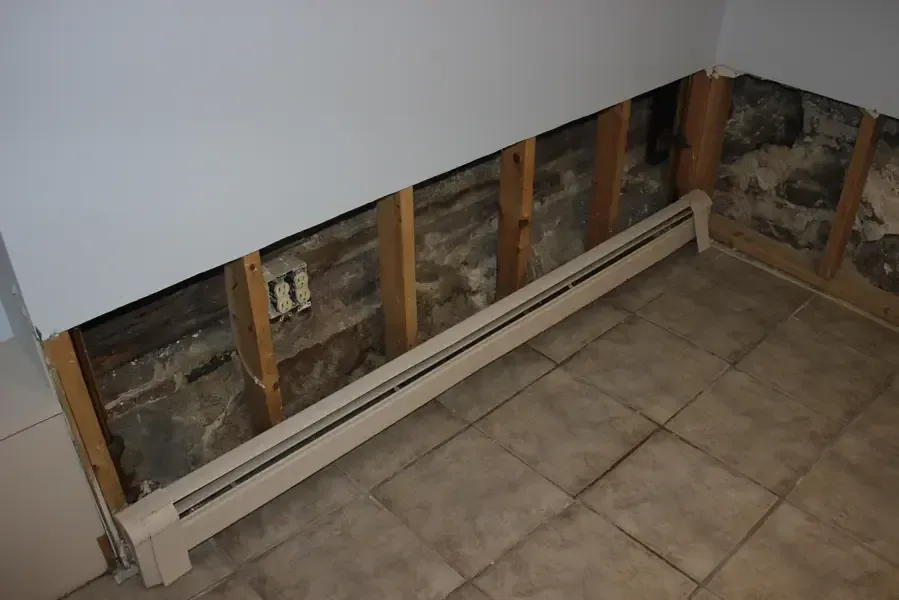
- Drywall and baseboard, cut back past the wet edge
- Insulation and cabinet toe kicks that wick water upward
- Hard surfaces such as concrete and tile, which are cleaned and disinfected rather than removed
Drying the structure
After removal, structural drying takes over. Air movers push dry air across wet framing while dehumidifiers pull the moisture out of the room.
Moisture readings steer the work, and drying stops when the structure reads normal, not after a set number of days.
Speed matters because damp materials can start growing mold within 24 to 48 hours, which is why sewage jobs do not wait.
Machines and stored items
Washers, dryers and furnaces in a lower level are checked for contamination as well, since those were among the items ruined in 2011.
Boxes and stored items on the floor are sorted into what can be cleaned and what cannot.
What to do while waiting for help
Calling a cleanup crew can run alongside calling the city. The city finds the blockage, and the sewage backup cleanup crew deals with the house.
These steps protect people and the record of the loss:
- Stop using water: no flushing, showers or laundry
- Keep children, pets and anyone with a health condition out of the affected rooms
- Do not use a household vacuum on wet sewage or push the water around with a mop
- Photograph the water, the rooms and each damaged item before anything is moved
- Write down who was called, when, and what each person said
- Ask the insurer how a policy treats sewer backup before anything is thrown out
What causes blockages and what the city does about them
The city names roots, grease and improper disposal as the typical causes of sewer blockages. It warns that flushable wipes and paper towels do not break down the way toilet paper does.
The utility cleans about one third of its sewer mains each year and cleans mains that need more upkeep every quarter.
The water damage services for Chanhassen homes cover the other problems that can follow a backup, from wet walls to damaged mechanical equipment.
- Keep grease out of drains and in the trash
- Flush only toilet paper
- Ask for a root check of the service pipe when slow drains keep coming back, after the city has confirmed the blockage is on the property side
Questions
Who should be called first when sewage backs up in Chanhassen?
The city asks residents to contact it first. A utility employee can tell whether the blockage is in the city's sewer or in the property's service pipe, which settles who clears it before a drain cleaning company is called.
Who clears a blockage between the house and the sewer main?
The property owner does, including debris and tree roots in the service pipe.
Does the city pay for damage from a backup?
The city says it is not automatically liable for blockages and is responsible for damage only if its own negligence caused the backup. The owner is responsible for cleaning and repairing the damage.
Why is sewage cleanup different from a clean water leak?
Sewage is Category 3 water, so carpet, pad and lower drywall that touched it are removed instead of dried. Surfaces that stay are cleaned and disinfected before drying starts.
How long does drying take after a backup?
There is no fixed number. The team follows moisture readings and keeps drying until framing and surfaces read normal, which depends on how much water spread and how long it sat.