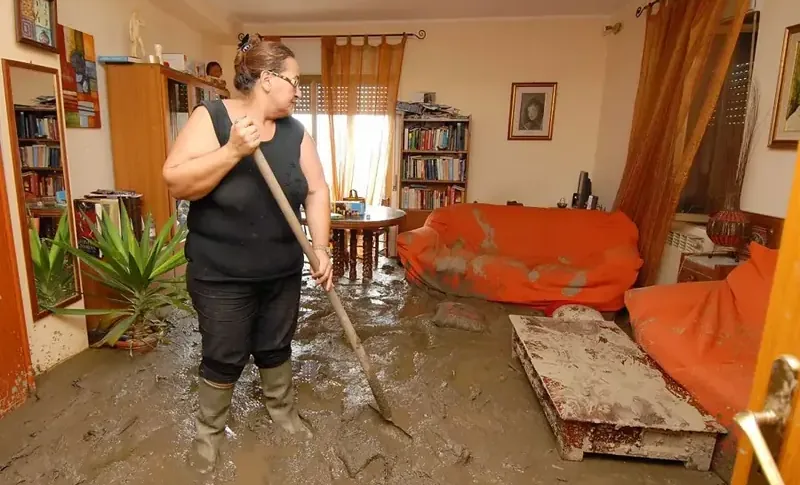
Downtown Chaska sits on the Minnesota River, and the river valley and floodplain form the south edge of the city. When high water reaches a house, the first steps look nothing like those for a burst pipe.
Key takeaways
- River water is treated as contaminated, so porous materials it touches are removed rather than dried and kept.
- Electricity and floodwater are the first safety concern: stay out of wet rooms until the power to them is dealt with.
- Standing water is extracted before any drying equipment is set up.
- A flood control project finished in 1998 reduced river flood damage, yet rising river water still closed the Highway 41 crossing in June 2024.
- Photographs of the high water mark and damaged items, made before cleanup begins, help with every later decision.
Why river water is not like pipe water
Water from a leaking supply pipe starts out clean. River water does not: it carries silt, runoff and sometimes sewage from places well upstream.
That is why crews treat flood water as contaminated and hold the cleanup to a stricter standard than for a clean leak.
The most contaminated class of water, called Category 3, includes flood water for exactly this reason. Even a thin film left on a wall can carry it.
In practice the standard sorts everything the water touched into two piles:
- Carpet, pad and fabric furniture that river water reached are removed
- Drywall and insulation touched by the water are cut out
- Hard surfaces are cleaned and disinfected
- Framing is dried only after the contaminated material is out
Chaska's river history in plain numbers
High water on the Minnesota River is part of the local story, and a few dated events show how the river has behaved.
Each one adds a detail that matters when a homeowner decides how seriously to take rising water:
- In 1952 the river reached 29.1 feet, and a dike built in 1953 stood a foot and a half above that level
- On April 12, 1965, the river crested at 34.25 feet, the highest recorded local level; the flood damaged 242 homes and 14 commercial buildings, and water rose above the second floors of many homes
- A flood control project completed in 1998 added a levee and the East Creek channel diversion structure
- In March 2011, spring flooding from snow and rain closed the Highway 41 river crossing
- Starting June 20, 2024, MnDOT closed the same crossing because of rising river water and planned to reopen it on July 22, 2024, after repairing flood damage to the road and slopes
First steps when river water gets into a house
Safety comes before cleanup. Water that has touched outlets, cords or appliances can carry current, and it can hide sharp or contaminated debris.
Power and safety
Nothing else should start until the electrical risk is handled.
- Stay out of wet rooms until the power to them is off, and never touch a panel while standing in water
- Ask the electric utility or an electrician to make wet circuits safe
- Wear boots and gloves, and keep children and pets out of the water
- Skip household vacuums and fans in wet rooms
Record the loss
A clear record makes later decisions easier, from what to discard to what to claim.
- Photograph the high water mark on the walls and every damaged item
- Note when the water came in and when it began to fall
- Keep damaged items until they have been photographed and listed
What the cleanup crew does, in order
When river water gets into a lower level, basement flooding cleanup begins with pumping. Truck mounted and submersible pumps bring the standing water down in stages, so walls and floors are not stressed by a sudden change.
The order of the rest of the work does not change from house to house:
- Extraction of standing water
- Removal of porous materials that river water reached
- Cleaning and disinfecting of everything that stays
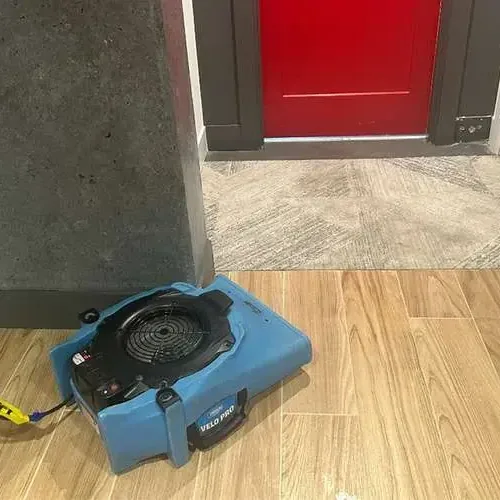
- Drying with air movers and dehumidifiers
- Moisture readings to confirm the structure is dry
Mistakes that make a river water cleanup harder
Most of the extra work after river water comes from a few common early mistakes.
Each one lets contaminated moisture travel further into the house than it needed to.
- Running the furnace or fans to dry the house before the contaminated material is out, which can push contamination through the air
- Waiting for the water to dry on its own, which lets contaminated moisture soak into framing
- Throwing away belongings before they are photographed and listed
- Walking through the water in everyday shoes and tracking it into clean rooms
Why a levee does not end the question
A flood control project completed in 1998 was built to reduce Minnesota River flood damage. Much of the lower part of the city had housing in the river floodplain, and the floodplain rules that limited substantial rehabilitation were removed when the project was finished.
Rising river water still matters. The Highway 41 crossing closed for high water in 2011 and again in 2024, and the 2024 closure was followed by repairs to flood damage on the road and slopes.
River water is also not the only outside source. The East Chaska Creek and West Chaska Creek ravines drain to the Minnesota River, so heavy rain and thaw can put water in new places.
Homeowners who want the wider picture can read the river and flash flood cleanup overview, and the full list of Chaska water damage services covers the other problems that follow high water.
After the water goes down
Once the contaminated material is out, flood water cleanup shifts to drying. Moisture can stay inside framing and slabs even when walls feel dry to the touch.
Why drying starts right away
Damp materials can begin to grow mold within 24 to 48 hours, so drying is not postponed once the contaminated material is gone.
Moisture readings show which walls and floors still hold water, and the equipment stays until the readings come back normal.
Questions to settle early
A short list keeps the first day organized.
- Which rooms were reached by water, and how high it rose
- Whether the furnace, water heater and electrical panel were touched
- Which belongings can be cleaned and which cannot
Questions
Is river water in a house treated differently from a plumbing leak?
Yes. River water is contaminated, so porous materials it touched are removed and the rest is cleaned and disinfected before drying. A clean supply leak usually allows more materials to be dried and kept.
How high did the Minnesota River get in 1965?
On April 12, 1965, the river crested at 34.25 feet, the highest recorded local level. It damaged 242 homes and 14 commercial buildings in Chaska.
Did the 1998 flood control project stop river flooding?
It was built to reduce Minnesota River flood damage, with a levee and a channel diversion structure for East Creek. River high water still closed the Highway 41 crossing in 2011 and 2024.
When should drying begin after river water?
As soon as standing water is out and the contaminated materials are removed. Damp materials can start growing mold within 24 to 48 hours.
What should be photographed before cleanup starts?
The high water mark on walls, the rooms affected, the furnace and water heater if they were reached, and each damaged item before it is moved.