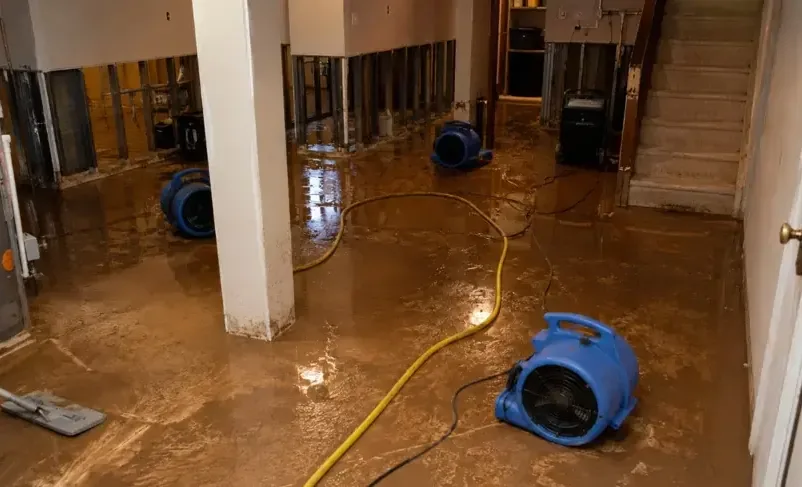
Victoria calls itself The City of Lakes and Parks, and the city lists 13 main lakes. When one of them rose to a record level in 2014, homes on its shore learned how long lake high water can last.
Key takeaways
- A watershed district study of the 2014 high water found Lake Zumbra peaked on July 3, 2014, the highest since records began in 1958.
- Homes on Zumbra Drive and Zumbra Circle had surface flooding and wet basements, and the city supplied sandbags.
- The same study counted 16 affected property owners, and five of them had water above the lowest opening.
- The lake peaks about 7 days after large rain events, so water can keep rising after the sky clears.
- Water above the lowest opening means walls and framing need drying, not just surface water removal.
What happened on Lake Zumbra in 2014
June 2014 brought record precipitation across the Minnehaha Creek watershed. Chaska received 13.24 inches of rain that month, more than triple the normal for June.
On July 3, 2014, Lake Zumbra peaked at an elevation of 944.91, according to the watershed district study. That was 1.61 feet above its ordinary high water level of 943.3, and the highest since records began in 1958.
Those numbers are a regional backdrop, not a Victoria measurement, but they set the stage for the lake level that followed.
The study and the city describe what that meant on shore:
- Homes on Zumbra Drive and Zumbra Circle had surface flooding and wet basements
- The city supplied sandbags
- Sixteen property owners on the lake were affected
- Five of them had structural impacts, meaning water rose above the lowest opening
Why lake high water lasts longer than the storm
A lake does not rise and fall with the rain gauge. Water drains into it from a wide area, and the level responds slowly.
The peak comes late
The watershed district study found that Lake Zumbra peaks about 7 days after large rain events.
That delay catches homeowners off guard. The sky is clear, the pumps are quiet, and the water is still climbing toward the foundation.
Because the peak lags the storm, the days after heavy rain are the ones to watch, not just the hours during it.
Low openings decide the damage
A 2015 study found that several Lake Zumbra properties have land, low floors or low openings at or below the 100 year high water level.
An opening is any place water can enter: a window well, a walkout door, a vent or a cracked wall. The lowest one sets the point where a wet yard becomes a wet house.
What a wet basement from lake water needs
Lake water is outside water, so it is treated as contaminated. That shapes the order of the work.
Basement flooding cleanup starts with pumping, and the pumping is done in stages so walls and floors are not stressed by a sudden drop in water level.
- Extraction of standing water with pumps and wet vacuums
- Removal of carpet, pad and drywall that the water reached
- Cleaning and disinfecting of concrete, framing and fixtures
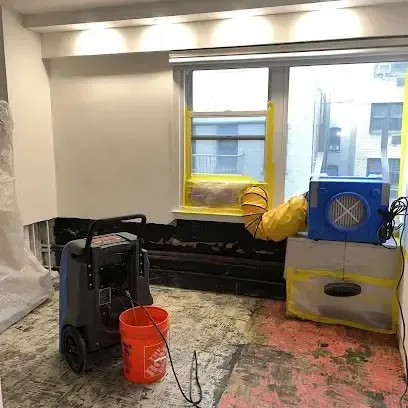
- Drying with air movers and dehumidifiers
- Moisture readings that show when the structure is dry
Why pumping is staged
Pumping a flooded lower level too fast can stress walls and floors that were holding back wet soil.
The crew lowers the water in steps and checks the walls between each one, so the cleanup does not add a second problem.
Surface water or water above the lowest opening
The 2014 numbers separate two kinds of loss. Sixteen owners were affected, and five had water above the lowest opening.
Surface water
Where water stayed in the yard or against the foundation, water extraction and a check for seepage are usually the main jobs.
A wet yard can still send water through a joint, so readings on the lower walls are worth taking.
Water above the lowest opening
When water gets through an opening, it soaks drywall, insulation and the bottom of wall framing.
That is where structural drying matters most, because wet framing needs measured drying, not just a dry looking surface.
A city of lakes and wetlands
Victoria sits among many lakes, and the city lists 13 main lakes, including Lake Zumbra, Lake Auburn, Stieger Lake, Wassermann Lake, Church Lake and Kelzer Pond.
Wassermann Lake is the headwaters of Minnehaha Creek, and the Minnehaha Creek Watershed District works with the city on projects that include stormwater ponds and wetland restoration.
For a homeowner near any of these waters, three points apply:
- Lake high water can last for days after the rain stops
- Water can enter through any low opening, not just a basement door
- Sandbags and outlet work help, but a house still needs a moisture check after high water
What the later years showed
In May 2019 the Victoria Gazette reported that no Zumbra Ridge homes flooded, even though rain exceeded 2014 levels. The mayor credited the dredging of the outlet canal.
That report is a reminder that outlet work and lake management can make a real difference, though it does not make a house immune.
Sandbags help while the water is rising. They do not remove water that is already inside, and they do not dry anything.
First steps if lake water reaches a house
The first steps are about safety and records, and they can start before help is on the way.
When the lake is still rising, the record of each day matters as much as the first photograph, because it shows how the water moved.
- Keep the power off in wet rooms and stay out of standing water
- Photograph the high water mark and every damaged item
- Lift small belongings and papers above the water if it is safe to do so
- Do not run a household vacuum or fans in a wet room
- Note when the water came in and the level it reached each day, since the lake may keep rising for days
- Ask the crew to look at the lowest opening first, because that is where the water entered
Questions
How high did Lake Zumbra get in 2014?
According to the watershed district study, it peaked at an elevation of 944.91 on July 3, 2014, which was 1.61 feet above its ordinary high water level and the highest since records began in 1958.
Which homes had wet basements in 2014?
Homes on Zumbra Drive and Zumbra Circle had surface flooding and wet basements, and the city supplied sandbags.
How many owners were affected?
The study counted 16 property owners on the lake as affected. Five had structural impacts, meaning water rose above the lowest opening.
Why does the lake keep rising after the rain stops?
The study found that Lake Zumbra peaks about 7 days after large rain events, because water drains into it from a wide area and the level responds slowly.
What changed by 2019?
The Victoria Gazette reported in May 2019 that no Zumbra Ridge homes flooded despite rain above 2014 levels, and the mayor credited dredging of the outlet canal.
What does the city list as its main lakes?
The city lists 13 main lakes, including Lake Zumbra, Lake Auburn, Stieger Lake, Wassermann Lake, Church Lake and Kelzer Pond.