Business water damage

Commercial Water Damage in Chaska, MN

A wet storefront or office loses revenue every day it stays closed. The commercial crew works in phases so part of a building can stay open while other areas are extracted, contained and dried.

(888) 432-4933Talk to a commercial crew
Phased containment Large dehumidifiers Daily reporting
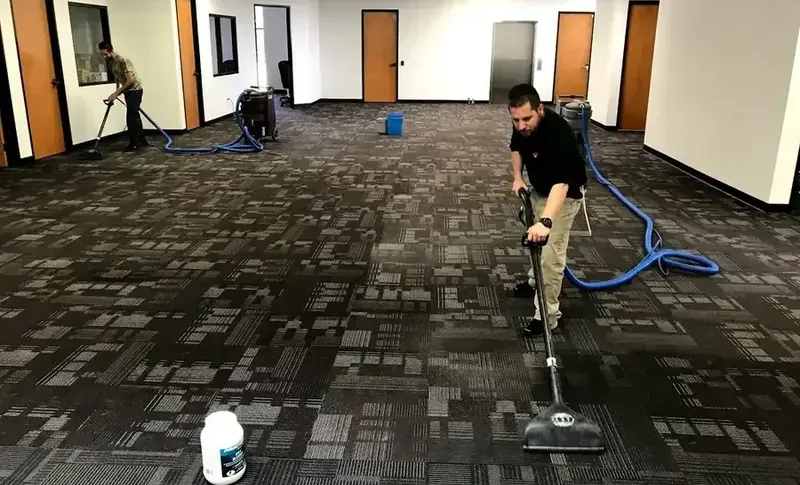
Chaska commercial water damage: technicians extracting water from office carpet tile
BuildingsShops, offices, schools
MethodPhased, zone by zone
ReportsDaily moisture logs
GoalReopen safely
Right now

First steps for commercial water damage

  1. Shut off the source

    Close the water valve and tell tenants or staff to clear the area.

  2. Protect stock and records

    Move paper, electronics and inventory off wet floors.

  3. Notify the manager

    Landlords and associations should hear early about shared systems.

  4. Photograph before cleanup

    Capture affected rooms and equipment for the adjuster.

Trade facts
BuildingsSuites, floors and large rooms
ContainmentPhased, zone by zone
EquipmentLarge LGR and desiccant units
ReportsDaily logs for managers and adjusters
The standard

How commercial water damage is held to the drying standard

Rapid local response

Active water is treated as urgent at any hour, because it keeps wicking into drywall, pad and framing after dark.

IICRC S500 drying standard

Structural drying, not just surface drying, with equipment sized to the class of the loss.

Claim-ready documentation

A moisture map, daily psychrometric readings and timestamped photos taken before any demolition.

Cold-climate know-how

Basements, frozen pipes, ice dams and spring thaw water are everyday work in the Minnesota River valley.

Typical cost ranges

What does commercial water damage cost in Chaska, MN?

Commercial losses vary widely, so the range here follows square footage, materials and how many tenants are affected. The cards show typical ranges for a suite, a floor and a large loss.

One suite or unit

$5,000 to $12,000
  • Water extracted
  • Flood cuts made
  • Drying with logs

A floor or several units

$12,000 to $30,000
  • Phased containment
  • Large dehumidifiers
  • Daily reports

Warehouse or major loss

$30,000 to $50,000+
  • Large-loss extraction
  • Desiccant drying
  • Zone-by-zone scope

Ranges are typical, not a quote. The water category, the square footage that got wet, the material class and how fast drying started move the number most. For a planning range, run the water damage cost calculator.

The process

The commercial water damage process, in order

The order matters: moisture mapping comes before equipment, and equipment stays until the readings say dry, not until it looks dry.

  1. 01

    Scope by zone

    The building is divided so each area gets its own plan.

  2. 02

    Extract and contain

    Water is removed and wet zones are sealed off.

  3. 03

    Dry at scale

    Large dehumidifiers run with daily reports.

  4. 04

    Hand back areas

    Cleared zones reopen while others finish.

Downtown has historic brick storefronts, the Klein Brickyard Redevelopment mixes retail, office and higher density housing north of Chaska Boulevard, and the Chaska Commons shopping center adds large floor areas. Each type of building dries differently.

Different buildings, different plans

Brick storefronts hold water in thick masonry, mixed-use buildings stack homes above shops, and large retail floors need big dehumidifiers more than a few air movers. A commercial loss plan names the zones first, and water extraction comes before the drying starts.

  • Single suites are isolated so neighbors keep operating
  • Mixed-use buildings get containment between commercial and residential floors
  • Large floor areas get desiccant or high-capacity dehumidifiers

Backflow, permits and code

Minnesota Plumbing Code requires backflow assemblies to be tested after installation and every year by an ASSE certified tester, and the city works with HydroCorp on testing. Commercial plumbing work follows State of Minnesota contractor rules, so repairs after a loss go to qualified trades while drying proceeds.

Keeping a business running

Daily moisture logs and photo reports go to the property manager and the adjuster so scope decisions rest on records. Crews work around business hours where they can, and areas are handed back as soon as readings clear them. See structural drying for the monitoring method.

Service area

Commercial water damage across Chaska and nearby towns

Service area map

Commercial work is covered across the city, from downtown storefronts and the Brickyard area to shopping centers, schools, offices and light industrial buildings, at any hour of the day or night, for tenants and owners.

The same service nearby: commercial water damage in Shakopee, Chanhassen, Victoria.

Water damage restoration in Chaska · every town covered

Questions

Commercial Water Damage questions in Chaska, MN

Can a business stay open during drying?

Often partly. Containment and phasing let cleared areas reopen while other zones are still being extracted and dried. The plan is set before work begins.

What reports does a manager receive?

Daily moisture logs, photos and equipment records, which support the adjuster and the owner.

How are historic brick buildings handled?

Thick masonry holds water longer than drywall, so the plan relies on steady drying and repeated readings.

Who tests backflow assemblies?

Minnesota Plumbing Code requires annual testing by an ASSE certified tester, and the city works with HydroCorp on that testing.

Does water in a shared wall affect neighbors?

It can. Water crosses suites through walls, ceilings and floors, so adjoining units are checked and the property manager is told early.

24/7 water removal

Water in the shop or office?

Share the building type and how many tenants are affected, and the crew will outline a phased plan for the loss.

(888) 432-4933Describe the building
Call (888) 432-4933 24/7