River and flash flood water

River and Flash Flood Cleanup in Eden Prairie, MN

Creek and river water brings mud and bacteria with it. When it enters a building, the cleanup crew pumps it out, removes the mud and wet materials, disinfects and then dries the structure.

(888) 432-4933Ask a crew about flood water cleanup
Mud and debris removal Category 3 handling Structural drying
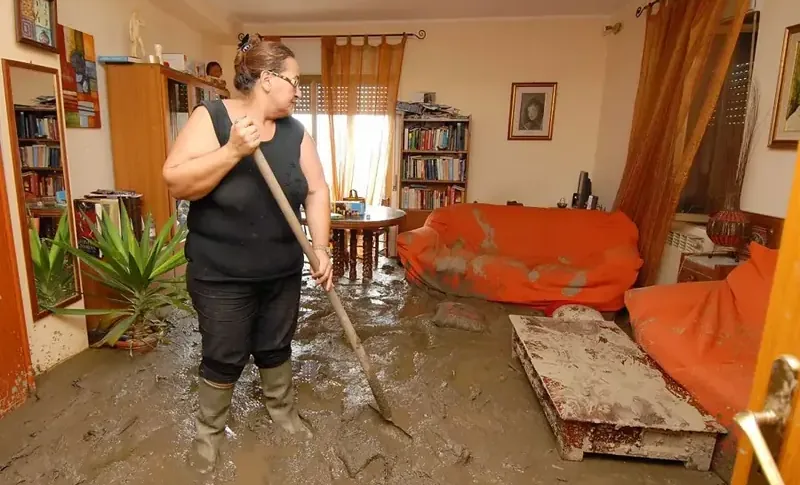
Eden Prairie flood: muddy water across a living room floor
Water categoryCategory 3
First workPump-out and mud
RemovedWet finishes below the mark
ThenDisinfect and dry
Right now

First steps for river and flash flood cleanup

  1. Stay out of the water

    Flood water can hide debris and live current, so never wade through it.

  2. Shut off power

    Shut off the circuit at a dry panel before anyone enters.

  3. Document first

    Photograph the water level, the mud mark and what the flood reached.

  4. Wear protection

    Use boots and gloves if contact is needed, and keep children and pets away.

Trade facts
Water category3, flood water
First workPump-out and mud removal
RemovalPorous finishes below the mark
DisinfectionAll surfaces, then dried
The standard

How river and flash flood cleanup is held to the drying standard

Rapid local response

Active water is treated as urgent at any hour, because it keeps wicking into drywall, pad and framing after dark.

IICRC S500 drying standard

Structural drying, not just surface drying, with equipment sized to the class of the loss.

Claim-ready documentation

A moisture map, daily psychrometric readings and timestamped photos taken before any demolition.

Cold-climate know-how

Basements, frozen pipes, ice dams and spring thaw water are everyday work in the Minnesota River valley.

Typical cost ranges

What does river and flash flood cleanup cost in Eden Prairie, MN?

Flood cleanup here typically runs $4,000 to $20,000 or more. Depth, how many levels were reached and how much mud and porous material had to be removed move a job from the low end to the high end.

Garage or unfinished space

$4,000 to $7,000
  • Pump-out and mud removal
  • Cleaning and antimicrobial
  • Drying

Finished lower level

$7,000 to $13,000
  • Removal below the water mark
  • Insulation and drywall out
  • Structural drying

Deep or multi-level flooding

$13,000 to $20,000+
  • Full Category 3 removal
  • Heavy mud-out
  • Extended drying

Ranges are typical, not a quote. The water category, the square footage that got wet, the material class and how fast drying started move the number most. For a planning range, run the water damage cost calculator.

The process

The river and flash flood cleanup process, in order

The order matters: moisture mapping comes before equipment, and equipment stays until the readings say dry, not until it looks dry.

  1. 01

    Pump out

    Submersible pumps clear the water as mud is removed.

  2. 02

    Remove the wet

    Porous finishes below the water mark are cut out and bagged.

  3. 03

    Clean and treat

    Hard surfaces and framing are washed and treated.

  4. 04

    Dry and confirm

    Equipment stays until readings meet goal.

Flood water is not the same as a leak. It runs over soil, roads and yards before it arrives, so it carries mud, bacteria and debris, and everything porous it touches has to be treated as contaminated.

Where flood trouble shows up here

The main flood trouble spots in the record are the Minnesota River near Hennepin Town Road and Purgatory Creek near Duck Lake. By 2019 the public works director recalled six flood events in five years that cut off areas of roads.

Why speed still matters

Even Category 3 water gets worse with time. Mud dries into crevices, drywall wicks water upward, and the odor and bacteria load grow, so the first pump-out and mud removal are usually the most valuable steps of the whole job.

What the cleanup involves

The crew pumps out the water, shovels and flushes out the mud, then removes porous finishes below the water mark. Hard surfaces are washed and disinfected before any drying equipment goes in.

  • Pump-out and heavy mud removal
  • Carpet, pad and wet drywall bagged and removed
  • Cleaning and antimicrobial on every surface left

Drying a flooded structure

After cleaning, structural drying sets air movers and dehumidifiers to the room volume, with readings taken each visit. The goal is dry framing and floors before anything is rebuilt, with every step noted for the adjuster.

Service area

River and flash flood cleanup across Eden Prairie and nearby towns

Service area map

Flood work runs wherever water reaches a building anywhere in the city, whether near the Minnesota River, on the Duck Lake and Purgatory Creek side or farther inland, in houses, townhomes and commercial buildings alike.

The same service nearby: river and flash flood cleanup in Shakopee, Chanhassen, Chaska.

Water damage restoration in Eden Prairie · every town covered

Questions

River and Flash Flood Cleanup questions in Eden Prairie, MN

Why is flood water treated as contaminated?

It crosses soil, roads and yards on the way in, so it carries bacteria, mud and debris. That makes it Category 3 even when it looks fairly clear.

Can wet drywall be dried instead of removed?

Not after flood contact. Drywall and insulation that touched Category 3 water are removed below the water mark and replaced after drying.

Does the crew handle road or culvert damage?

No. Roads and culverts are public works. The crew handles water and mud that enter a building and the drying that follows.

What about a garage or shed?

Unfinished spaces cost less to clean because there are fewer finishes to remove, but mud still has to come out and surfaces need disinfecting.

How is the work documented?

Photos of the water mark, readings and a removal list are kept together for the adjuster. See water extraction for the first stage.

24/7 water removal

Pump it out and clean what it touched

Dispatch runs day and night, so a creek rise or a flash storm after dark still reaches a crew.

(888) 432-4933Call about the flood water
Call (888) 432-4933 24/7