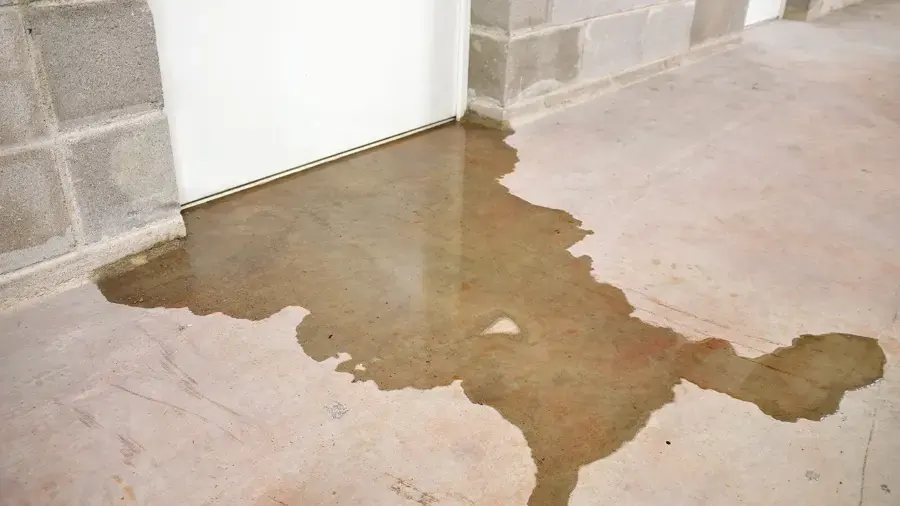
Seepage rarely looks dramatic. A damp strip along a wall, a musty smell or a darkened corner can mean water has been moving in for days, and the damage keeps growing behind finishes the whole time.
What spring did here in 2019
In spring 2019, melting snow, ice jams and rainstorms raised the Minnesota River and closed a stretch of Riverview Road. That season is a reminder of how much thaw water the ground in this area has to carry at once.
Seepage versus a leak
A plumbing leak runs while the water is on, but seepage follows the weather. It tends to show during thaw and heavy rain, then ease, which makes it easy to dismiss until finishes begin to stain, swell or smell damp.
How the cleanup works
The crew starts with moisture mapping to find every damp spot, including areas that feel dry to the touch. Then wet carpet edges are lifted, damp insulation and lower drywall are removed and the framing is dried where it stands.
- Moisture meters and a thermal camera to trace the path
- Lower drywall and wet insulation cut out cleanly
- Padding replaced when it stayed damp for long
Long-running seepage
The longer water keeps coming in, the wider the removal has to go, and framing gets an antimicrobial treatment before drying. A drainage or grading fix belongs to a contractor, and structural drying covers the water that is already inside.