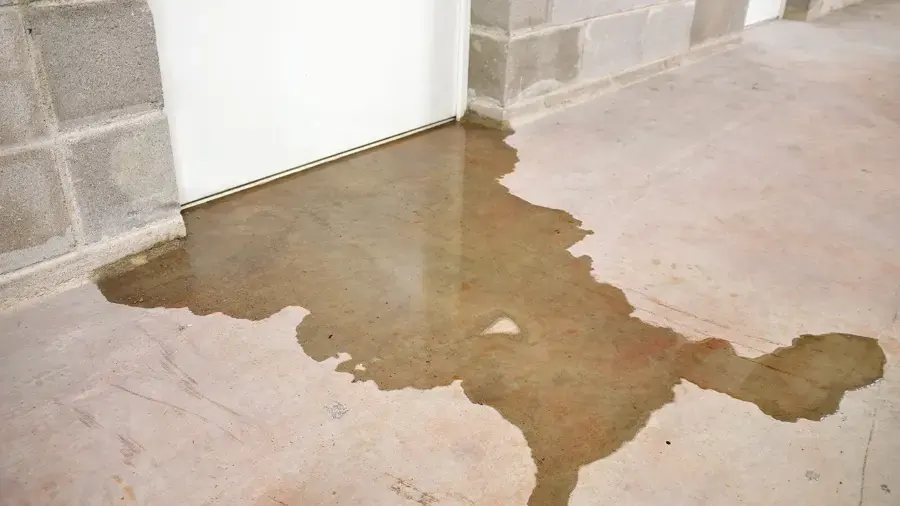
Spring melt seepage

Snowmelt and Foundation Seepage in Prior Lake, MN

When spring melt and rain raise the lakes, saturated ground can push water through foundation walls and the floor joint, and the crew maps the moisture, removes what soaked up and dries the basement before damp walls turn into a bigger problem.

(888) 432-4933Request a seepage moisture check
Moisture mapping Drying in place Carpet edge lifted
Prior Lake snowmelt seepage: water crossing a basement floor from a block wall
SeasonLate winter and spring
Entry pointsWall cracks, floor joint, window wells
Typical damageCarpet edges, wall bottoms, stored items
Fix focusDry in place, find the entry
Right now

First steps for snowmelt and foundation seepage

  1. Find the damp spot

    Feel along the base of outside walls and carpet edges for cool, damp patches.

  2. Clear the wall

    Pull furniture and boxes away so air can reach the wet area.

  3. Run a fan

    A box fan helps while waiting, but it does not replace a dehumidifier.

  4. Document it

    Photograph stains and note dates so the pattern is recorded.

Trade facts
Water sourceGroundwater through walls and joints
Typical categoryGray water, low volume
Main toolsMoisture mapping, thermal camera
FinishWall bottoms dry to reference
The standard

How snowmelt and foundation seepage is held to the drying standard

Rapid local response

Active water is treated as urgent at any hour, because it keeps wicking into drywall, pad and framing after dark.

IICRC S500 drying standard

Structural drying, not just surface drying, with equipment sized to the class of the loss.

Claim-ready documentation

A moisture map, daily psychrometric readings and timestamped photos taken before any demolition.

Cold-climate know-how

Basements, frozen pipes, ice dams and spring thaw water are everyday work in the Minnesota River valley.

Typical cost ranges

What does snowmelt and foundation seepage cost in Prior Lake, MN?

Snowmelt seepage cleanup here commonly costs between $1,500 and $7,000 or more. A single wall caught early costs the least, while long-running seepage across several walls costs the most. Drying time and the finish against the wall also matter.

Single wall, early

$1,500 to $2,800
  • Moisture mapping
  • Carpet edge lifted
  • Dried in place

Several damp walls

$2,800 to $5,000
  • Low drywall and insulation out
  • Pad replaced
  • Framing dried

Seepage over weeks

$5,000 to $7,000+
  • Wider material removal
  • Antimicrobial on framing
  • Longer drying

Ranges are typical, not a quote. The water category, the square footage that got wet, the material class and how fast drying started move the number most. For a planning range, run the water damage cost calculator.

The process

The snowmelt and foundation seepage process, in order

The order matters: moisture mapping comes before equipment, and equipment stays until the readings say dry, not until it looks dry.

  1. 01

    Map the moisture

    A meter and thermal camera trace moisture past the stain.

  2. 02

    Open the wet layers

    Carpet edges lift, and wet lower drywall and insulation come out.

  3. 03

    Dry in place

    Dehumidifiers and air movers run against the wall and floor joint.

  4. 04

    Note the entry

    Cracks and window wells are noted for a contractor.

Seepage is slow, quiet water, and that is why it does so much harm. It wets wall bottoms and carpet edges for days before anyone notices a stain.

Why spring brings it

The watershed district says lake levels are driven mainly by precipitation, including spring snowmelt. The outlet channel helps relieve levels above 902.5 feet, but wet ground still presses against foundations, and runoff keeps arriving after the rain has stopped.

  • Damp patches along the base of a wall
  • A musty smell that returns after the fan is off
  • Carpet edges that stay cool and damp

How the crew handles it

Moisture mapping comes first, because the wet area is usually larger than the visible stain. Carpet edges are lifted, lower drywall and insulation on outside walls come out if they are wet, and structural drying continues until readings match a dry wall. Finished basements hide the problem longest, because paneling, carpet and furniture keep the wall out of view, and a moisture check behind a baseboard or under a carpet edge shows whether the seepage has run for days or weeks.

Stopping a repeat

Drying fixes the damage, not the entry. The crew points out cracks, window wells and grading clues that match the wet pattern, so a contractor can address the cause. Window wells that fill, grading that slopes toward the foundation and cracks that open as frozen ground shifts are the usual suspects, and a dehumidifier fixes none of them.

Service area

Snowmelt and foundation seepage across Prior Lake and nearby towns

Service area map

Seepage calls come from lakeside basements near Spring Lake, Crystal Lake, Grainwood Bay and Paradise Bay, and from neighborhoods around Lakefront Park, Fish Point Park and Sand Point Beach, with the crew following the moisture.

The same service nearby: snowmelt and foundation seepage in Shakopee, Eden Prairie, Chaska.

Water damage restoration in Prior Lake · every town covered

Questions

Snowmelt and Foundation Seepage questions in Prior Lake, MN

Can snowmelt really leak into a basement?

Yes. Melting snow and spring rain saturate the ground, and water pushes through wall cracks, the floor joint and window wells when the ground cannot drain fast enough.

Why does seepage keep coming back?

Drying fixes the wet materials, not the entry point. Cracks, grading and window wells keep letting water in until someone addresses them.

How can I tell seepage from a pipe leak?

Seepage shows up along outside walls after thaws or rain, while a pipe leak stays near plumbing and continues in dry weather. Meters help tell them apart.

Can lake level affect a basement set back from the shore?

The watershed district says levels follow precipitation, including snowmelt, and the lake is the lowest natural point in its watershed, so nearby ground can stay saturated for a long time.

Is a little dampness worth a call?

Yes, because hidden dampness rots wall bottoms and feeds mold, which can start in as little as 24 to 48 hours once materials stay wet.

24/7 water removal

Find the wet wall before it spreads

Share where the dampness shows and when it started, and the crew maps the moisture and plans the drying around it.

(888) 432-4933Plan the seepage drying
Call (888) 432-4933 24/7